In a world where busy schedules, constant digital distractions, and everyday responsibilities often leave little room for stillness, yoga offers a meaningful way to reconnect with the body and mind. Among the many traditional approaches to yoga, Hatha Yoga holds a special place. It provides a balanced approach to physical postures, breathing, concentration, and inner awareness, making it valuable for both beginners and experienced practitioners.
Hatha Yoga is often associated with slow and steady physical postures, but its traditional purpose extends far beyond exercise. It is a discipline designed to bring greater balance between the physical body, breath, and mind. By practicing regularly and with awareness, students can develop strength, flexibility, stability, and a deeper sense of mental calm.
What Is Hatha Yoga?
The word “Hatha” is commonly understood as a combination of two Sanskrit syllables: Ha, associated with the sun, and Tha, associated with the moon. This interpretation represents the balancing of complementary energies. In this sense, Hatha Yoga can be viewed as a practice that seeks harmony between different aspects of our physical and mental experience.
Traditionally, Hatha Yoga includes several practices rather than only physical poses. These may include asanas (postures), pranayama (breathing practices), mudras (symbolic gestures), bandhas (energetic locks), meditation, and purification techniques.
Modern yoga classes often use the term Hatha Yoga to describe a style in which postures are practiced at a relatively measured pace. However, traditional Hatha Yoga has a much broader philosophical and practical foundation. Its ultimate purpose is not simply to make the body stronger or more flexible but to prepare the practitioner for deeper states of concentration and meditation.
The Traditional Practice of Hatha Yoga
Traditional Hatha Yoga places considerable importance on preparing the body and mind before moving toward deeper practices. A session may begin with quiet observation or gentle movements before progressing into physical postures.
1. Asana Practice
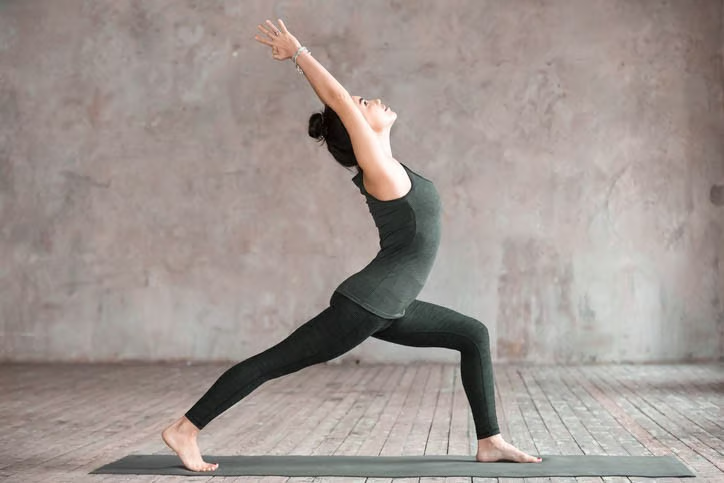
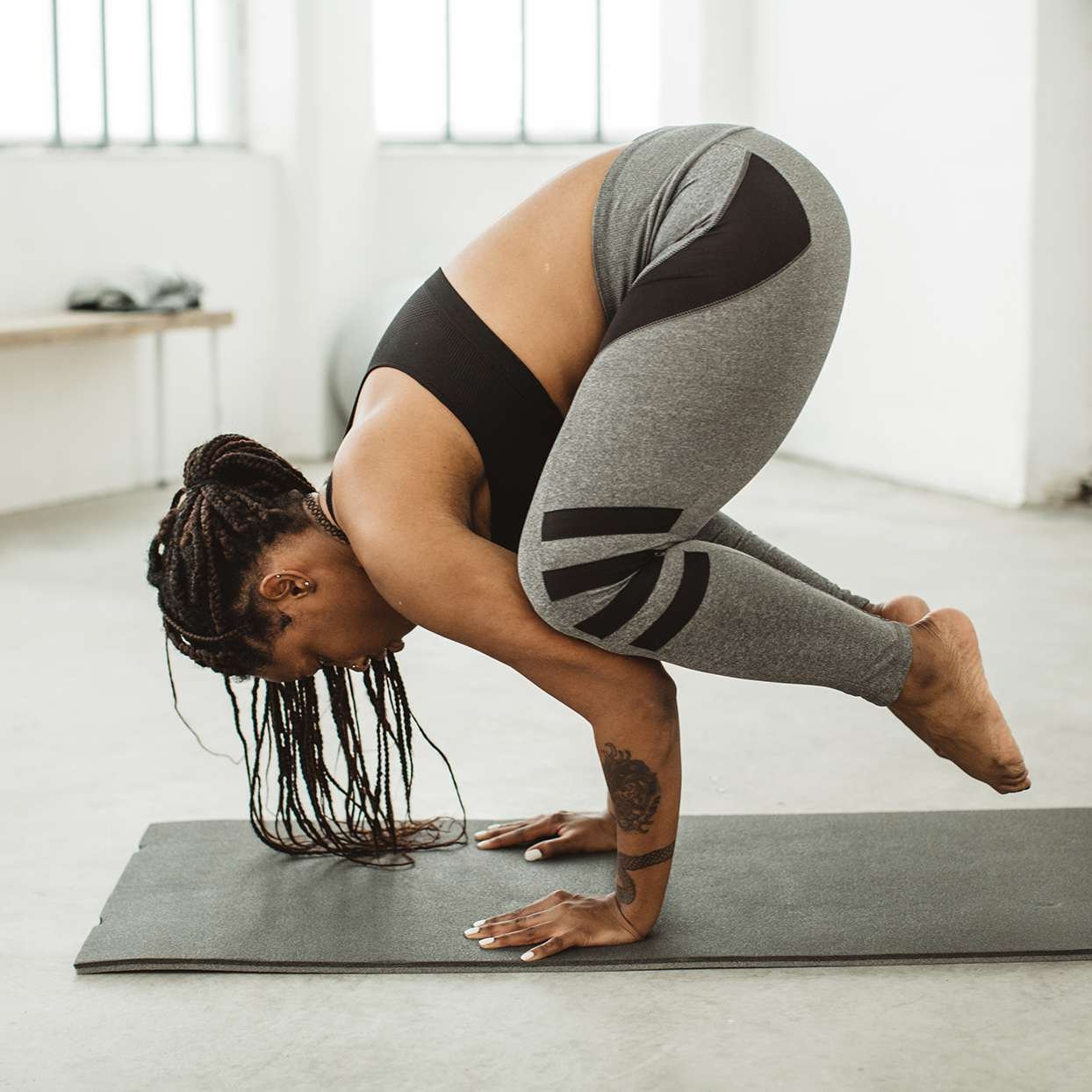
Asanas are an important part of Hatha Yoga. They involve placing the body into specific positions while maintaining awareness of breathing and bodily sensations.
Common Hatha Yoga postures include:
Tadasana (Mountain Pose)
Bhujangasana (Cobra Pose)
Trikonasana (Triangle Pose)
Paschimottanasana (Seated Forward Bend)
Ardha Matsyendrasana (Half Spinal Twist)
Setu Bandhasana (Bridge Pose)
Vajrasana (Thunderbolt Pose)
Padmasana (Lotus Pose)
Each posture has a different physical and mental focus. Some encourage stability and strength, while others emphasize mobility, balance, or relaxation.
2. Pranayama
Breath is another fundamental element of Hatha Yoga. Pranayama refers to traditional yogic breathing practices designed to cultivate greater awareness and control of the breath.
Practices such as Nadi Shodhana, Bhramari, and certain forms of controlled breathing are commonly incorporated into yoga routines. Practicing pranayama with proper guidance can encourage a calm and focused state of mind.
3. Mudras and Bandhas
Traditional Hatha Yoga also incorporates mudras and bandhas. Mudras are specific hand or body gestures used within yogic practice, while bandhas are traditionally described as energetic locks.
These techniques are generally introduced progressively because they require an understanding of proper alignment, breathing, and practice methods. Beginners are often better served by learning foundational postures and breathing techniques before attempting advanced practices.
4. Meditation and Inner Awareness
Although physical postures are highly visible in modern yoga, traditional Hatha Yoga ultimately points toward greater mental awareness.
After physical and breathing practices, practitioners may sit quietly and observe their breath, thoughts, and sensations. Meditation can help develop concentration and encourage a more peaceful relationship with the mind.
This connection between body and mind is one of the defining features of traditional Hatha Yoga.
Key Principles of Hatha Yoga
Hatha Yoga is based on several principles that help guide the practitioner beyond simply performing physical movements.
Balance
Balance is central to Hatha Yoga. The practice seeks harmony between strength and flexibility, effort and relaxation, movement and stillness, and body and mind.
Awareness
Hatha Yoga encourages practitioners to remain present. Instead of mechanically performing a posture, students are encouraged to notice their breathing, alignment, sensations, and mental state.
Steady Practice
Progress in yoga is generally built through consistency rather than force. Regular practice allows the body and mind to gradually adapt.
Breath Coordination
Breathing should remain an important part of the practice. Coordinating movement with conscious breathing can make the practice more mindful and controlled.
Non-Competition
Yoga is an individual practice. Hatha Yoga does not require practitioners to compete with others or force themselves into advanced poses. The emphasis is on developing awareness and working appropriately with one’s own body.
Physical Benefits of Hatha Yoga
Regular Hatha Yoga practice may provide several physical benefits when practiced appropriately.
Improved Flexibility
Holding and repeating different postures can gradually improve mobility in various parts of the body. Regular practice may be particularly useful for people who spend long periods sitting or engaging in repetitive activities.
Greater Strength
Many Hatha Yoga postures require the practitioner to support and stabilize their body. Standing poses, balancing poses, and weight-bearing positions can contribute to functional strength.
Better Balance and Coordination
Maintaining yoga postures requires awareness of body position. Balance-oriented poses can help practitioners develop greater coordination and stability.
Improved Posture
A regular practice can encourage greater awareness of spinal alignment, shoulders, hips, and overall body positioning. This awareness may support healthier movement habits in everyday life.
Relaxation
Gentle Hatha Yoga practices can provide an opportunity to release physical tension and slow down after a demanding day.
Mental and Emotional Benefits
Hatha Yoga is not limited to physical wellbeing. Its emphasis on breathing and awareness can also support mental relaxation.
Stress Management
Slow movements, conscious breathing, and periods of stillness can create a calming practice environment. Taking time away from constant stimulation may help practitioners feel more relaxed.
Better Concentration
Holding a posture while focusing on breathing requires attention. Over time, this can encourage the ability to remain focused during practice.
Greater Self-Awareness
Yoga encourages people to observe how they respond to different physical and mental experiences. This can help practitioners become more aware of tension, fatigue, emotions, and habitual reactions.
A Calmer Daily Routine
The principles learned on the yoga mat can extend into everyday activities. Practicing patience, awareness, and controlled breathing may encourage a more thoughtful approach to stressful situations.
Hatha Yoga for Beginners
Hatha Yoga can be approachable for beginners because many classes focus on foundational movements and controlled pacing. However, beginners should not assume that every Hatha Yoga technique is automatically suitable for everyone.
A new practitioner can begin with basic postures, comfortable breathing exercises, and simple relaxation practices. Learning under a qualified teacher can be particularly useful for understanding alignment and modifying postures when necessary. Those who want to study traditional yoga more systematically may eventually explore comprehensive programs such as a 500 hour yoga teacher training in rishikesh, where different aspects of yoga can be studied in greater depth.
How to Build a Hatha Yoga Routine
A simple Hatha Yoga session can include several stages. Begin with a few minutes of quiet breathing and gentle warm-up movements. Follow this with a selection of standing, seated, or lying postures. Include a few minutes of conscious breathing afterward, followed by relaxation or meditation.
A short routine practiced consistently can be more valuable than an occasional long session. As experience develops, practitioners can explore additional techniques under appropriate instruction.
It is also important to listen to the body. Sharp pain, excessive strain, dizziness, or unusual discomfort should not be ignored. Yoga should be approached with awareness rather than force.