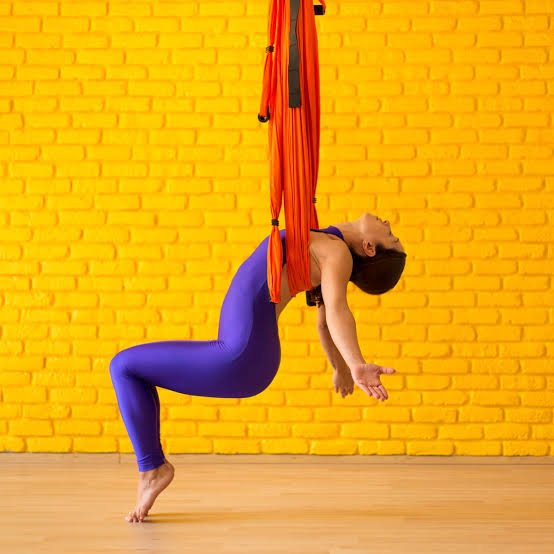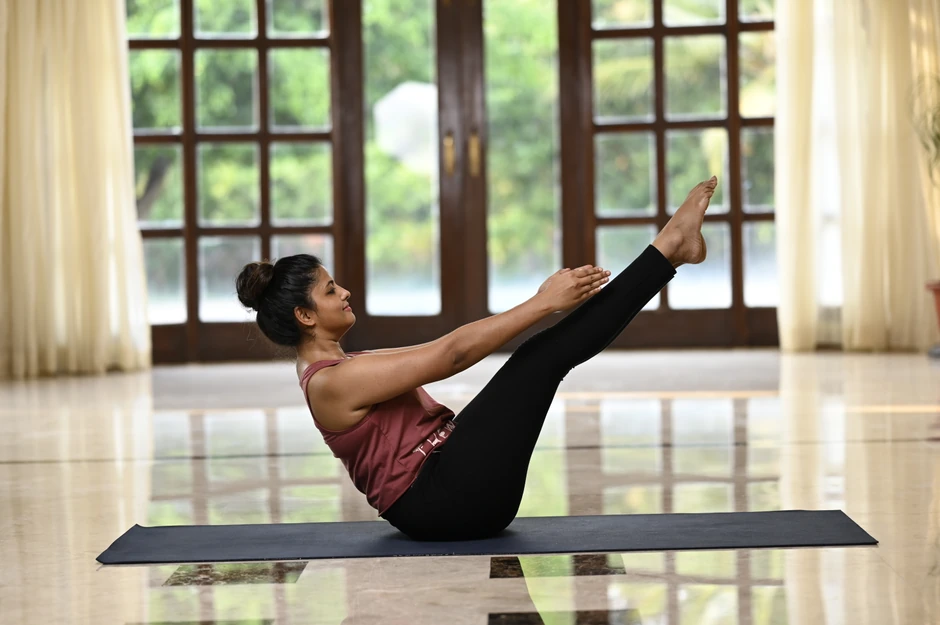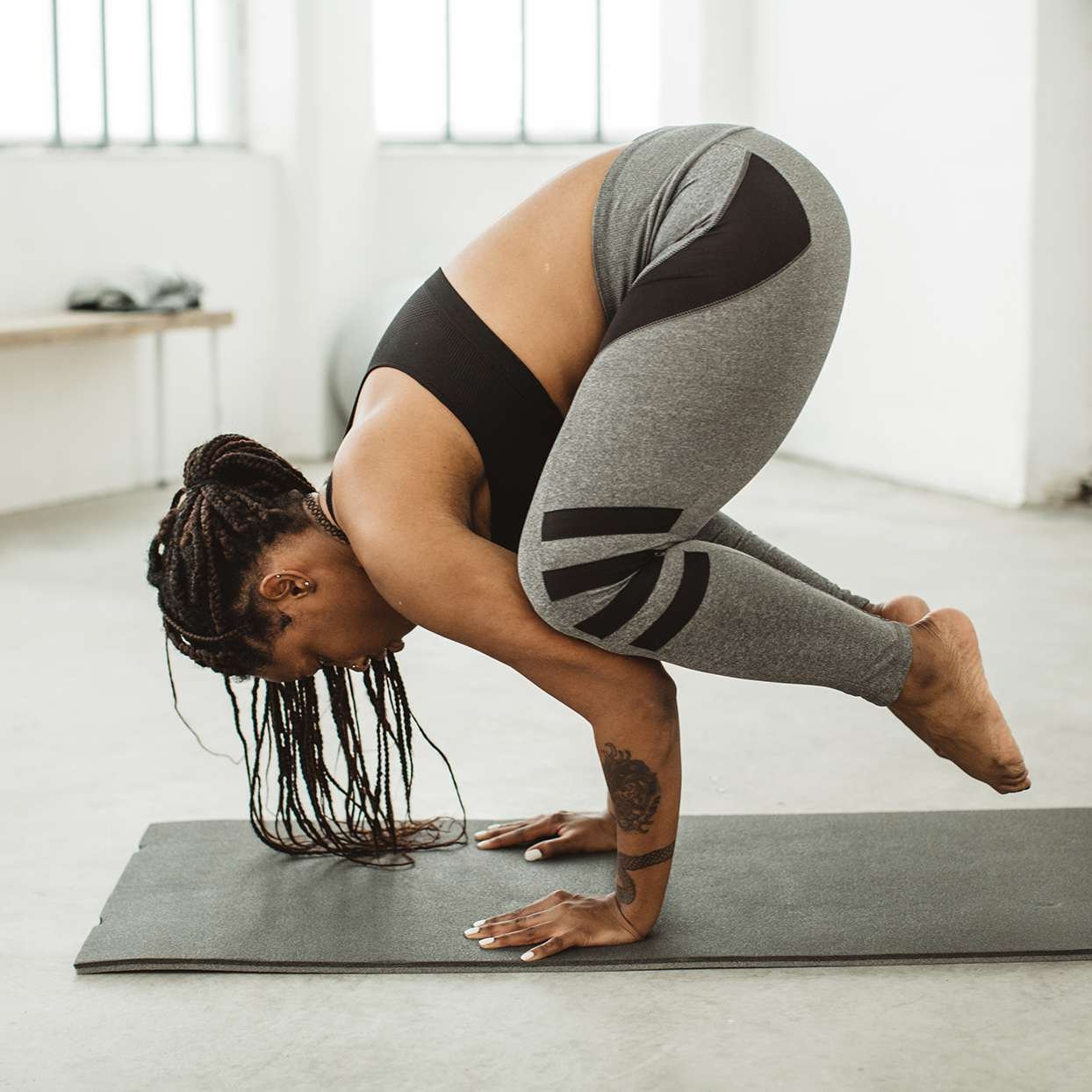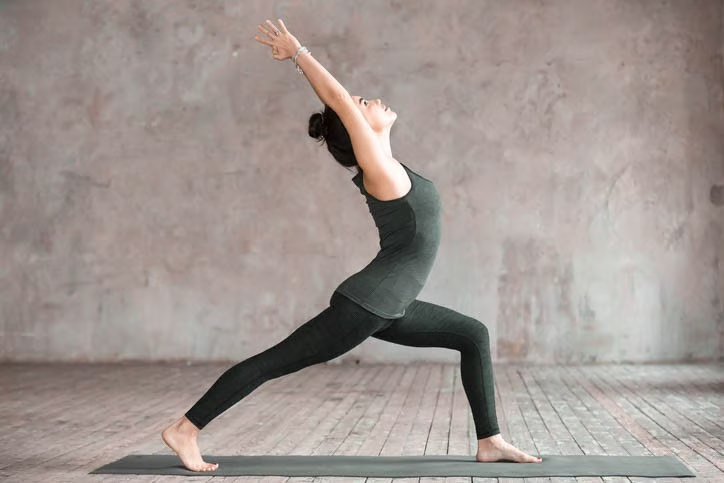
Vinyasa Yoga is a dynamic style of yoga that brings together breath, movement, and mindful awareness. Unlike practices that focus on holding one posture for a long period, Vinyasa encourages practitioners to move smoothly from one pose to another while coordinating each movement with the breath. This continuous flow can make a yoga session feel both physically energizing and mentally calming.
The word “Vinyasa” is commonly associated with the idea of placing movements in a thoughtful sequence. Although modern Vinyasa classes can vary considerably from teacher to teacher, the central principle remains the same: movement and breathing work together rather than being treated as separate parts of practice.
For beginners and experienced practitioners alike, Vinyasa Yoga offers an opportunity to develop strength, flexibility, balance, concentration, and body awareness. More importantly, it can turn a physical yoga practice into a moving form of meditation.
What Is Vinyasa Yoga?
Vinyasa Yoga is a flow-based approach in which yoga postures are linked through coordinated movements and breathing. Instead of simply performing one pose and then stopping before beginning the next, practitioners transition between postures in a continuous sequence.
A teacher may guide students through movements such as Mountain Pose, Forward Fold, Plank, Chaturanga, Cobra or Upward-Facing Dog, and Downward-Facing Dog. These poses may be connected with deliberate breathing patterns, creating a rhythmic flow.
There is no single fixed sequence that defines every Vinyasa class. Some sessions may be slow and gentle, while others can be fast and physically demanding. A class might focus on hip opening, balance, backbends, twists, strength, or a particular peak posture.
This flexibility is one reason Vinyasa Yoga has become accessible to people with different interests and levels of experience.
The Importance of Breath in Vinyasa Yoga
Breathing is one of the most important elements of Vinyasa practice. The breath acts almost like a bridge between physical movement and mental awareness.
In many Vinyasa sequences, an inhale is connected with movements that open or lengthen the body, while an exhale may accompany movements that fold, contract, or deepen into a posture. The exact breathing pattern can depend on the sequence and the teacher’s instructions.
One commonly practiced breathing method in Vinyasa is Ujjayi breathing. This involves breathing slowly through the nose while creating a gentle, controlled sound in the throat. When practiced comfortably, it can help practitioners maintain awareness of their breathing during movement.
How Movement Creates a Flow
The defining characteristic of Vinyasa Yoga is its flowing movement. Rather than treating each posture as an isolated exercise, the practice connects different poses into a sequence.
For example, a simple flow might begin with Mountain Pose, move into an overhead stretch, continue into Forward Fold, transition through a plank variation, and eventually arrive in Downward-Facing Dog. From there, the practitioner may move into a standing posture before returning to the sequence.
Vinyasa Yoga and Mindfulness
Although Vinyasa can provide a challenging physical workout, mindfulness remains an essential part of the practice.
During a class, the mind may naturally wander toward work, responsibilities, conversations, or future plans. Focusing on breathing and movement gives the mind a simple point of attention.
Instead of thinking about completing an entire sequence, practitioners can focus on the movement happening in the present moment. They may notice the sensation of the feet touching the floor, the expansion of the ribs during an inhale, or the changing position of the spine during a transition.
Physical Benefits of Vinyasa Yoga
A regular Vinyasa practice can support several aspects of physical fitness. Because the style often involves continuous movement, it can engage multiple muscle groups throughout a session.
1. Builds Strength
Many Vinyasa sequences include weight-bearing postures such as Plank, Chaturanga, Downward-Facing Dog, and various standing poses. These movements can challenge the arms, shoulders, legs, abdomen, and back.
2. Supports Flexibility
Repeated movement through different ranges of motion may gradually improve flexibility. Forward folds, lunges, twists, and hip-opening postures are often included in Vinyasa sequences.
Flexibility should develop gradually, however. Forcing the body into a deeper posture can create unnecessary strain.
3. Improves Balance and Coordination
Standing balances and controlled transitions require concentration and stability. Practicing them regularly can help improve awareness of body position and movement.
4. Encourages Cardiovascular Activity
Faster Vinyasa classes can raise the heart rate because practitioners move continuously between postures. The intensity depends greatly on the sequence, pace, and individual practitioner.
5. Develops Body Awareness
Vinyasa requires attention to alignment, breathing, movement, and physical sensations. This can help practitioners become more aware of how their bodies move and respond.
Mental and Emotional Aspects of the Practice
Vinyasa Yoga is not only about physical fitness. The combination of rhythmic breathing and mindful movement can create a calming structure for the mind.
Concentrating on a sequence may help reduce the tendency to remain focused on distractions. The practice can also provide a dedicated period in the day when a person steps away from screens, work, and everyday responsibilities.
For yoga practitioners who want to deepen their knowledge of sequencing, breathwork, alignment, and teaching methodology, structured programs such as a 300 hour yoga teacher training in rishikesh can provide an opportunity to explore these aspects of yoga in greater depth.
The closing relaxation period is particularly valuable. After an active sequence, spending several minutes in a comfortable resting posture allows the body and mind to settle.
A Typical Vinyasa Yoga Class
Although every teacher may structure a class differently, a Vinyasa session often follows a general progression.
The class may begin with a short period of centering and breath awareness. Gentle movements and warm-up postures can then prepare the body for more demanding sequences.
The central portion of the class may involve Sun Salutations, standing postures, balancing poses, twists, backbends, or other sequences. The teacher may gradually increase the intensity before guiding students toward slower movements.
Is Vinyasa Yoga Suitable for Beginners?
Yes, beginners can practice Vinyasa Yoga, but choosing an appropriate class is important. A beginner-friendly session generally moves at a slower pace and provides clear instructions for transitions and basic postures.
New practitioners should not feel pressured to copy advanced variations. Yoga is not a competition, and the objective is not to perform the most complicated posture in the room.
Learning fundamental poses, understanding basic breathing techniques, and developing awareness of alignment can provide a stronger foundation than immediately attempting difficult sequences.
Beginners should also listen to their bodies. Muscle effort can be normal, but sharp, sudden, or intense pain should not be ignored.