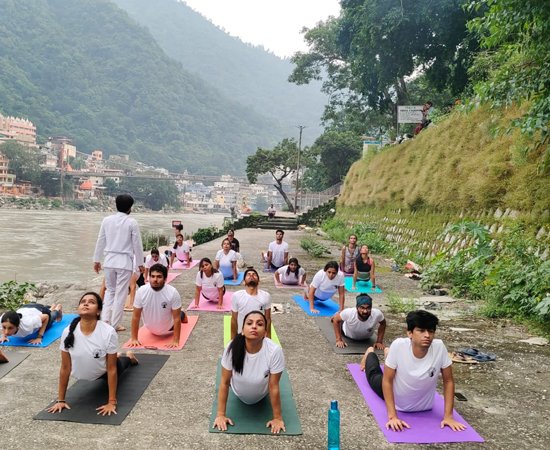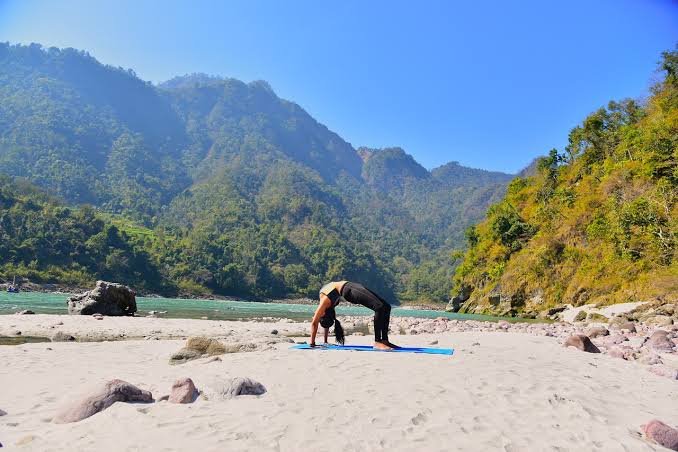
For anyone who feels connected to yoga, meditation, spirituality, or mindful living, some destinations offer more than beautiful scenery. They create an environment where the practice becomes part of everyday life. Rishikesh, located in the Himalayan foothills of northern India, is one such destination. Known around the world for its yoga traditions, peaceful surroundings, spiritual atmosphere, and connection with the sacred Ganges, Rishikesh attracts yoga practitioners, teachers, travelers, and seekers from many different backgrounds.
Whether you are an experienced yoga teacher, a beginner taking your first steps into the practice, or simply someone looking for a meaningful journey, Rishikesh has something valuable to offer. It combines ancient traditions with a lively modern wellness culture, making it a fascinating destination for anyone interested in yoga.
Here are the reasons why Rishikesh deserves a place on every yogi’s travel list.
1. Rishikesh Has a Deep Connection With Yoga
One of the biggest reasons yogis travel to Rishikesh is its long-standing association with yoga. The city has developed a reputation as an important destination for people who want to study yoga in a traditional setting.
Yoga here is not limited to physical postures. Many schools and teachers introduce students to different aspects of the discipline, including pranayama, meditation, yoga philosophy, anatomy, relaxation techniques, and traditional approaches to personal development.
For travelers who want to understand yoga beyond the physical practice, spending time in Rishikesh can provide an opportunity to explore the deeper principles behind the discipline.
The city’s yoga culture also makes it easy to encounter different styles and approaches. Depending on your interests, you may find classes focused on Hatha Yoga, Ashtanga-inspired practices, Vinyasa, meditation, breathwork, or other traditional and contemporary methods.
2. The Peaceful Himalayan Setting Supports Inner Reflection
Rishikesh is surrounded by hills, forests, and the natural beauty of the Himalayan foothills. The environment itself can encourage a slower and more mindful way of living.
For people accustomed to busy schedules, constant notifications, traffic, and urban noise, this change of environment can be refreshing. Early mornings beside the Ganges, quiet meditation sessions, walks through the hills, and peaceful yoga classes can create a sense of space for reflection.
The natural surroundings also complement yoga practice. Practicing asanas while listening to birds or feeling a cool mountain breeze can create a very different experience from practicing inside a busy urban studio.
This does not mean every moment in Rishikesh is completely silent or isolated. The city can be energetic and crowded, particularly in popular areas. However, peaceful places are never too far away, allowing travelers to experience both cultural activity and quiet moments.
3. The Ganges Adds a Unique Spiritual Dimension
The Ganges is central to the identity of Rishikesh. The river flows through the city and has enormous cultural and spiritual importance in India.
For many visitors, simply sitting near the river becomes one of the most memorable parts of their journey. The sound of flowing water creates a naturally calming atmosphere, while the surrounding ghats provide places for contemplation and observation.
Even travelers who are not religious can appreciate the ceremony as an opportunity to observe an important local tradition and understand more about India’s spiritual heritage.
Visitors can also experience Ganga Aarti, a traditional evening ceremony held along the river. The combination of lamps, devotional music, chanting, and the river creates a powerful cultural experience.
4. Rishikesh Is Ideal for Yoga Teacher Training
Rishikesh is particularly appealing to people who want to turn their interest in yoga into a deeper educational journey. The city has numerous yoga schools and training programs designed for different experience levels. For beginners looking for a structured introduction to yoga, 200 hour yoga teacher training in rishikesh can provide a comprehensive learning experience that combines practical sessions with subjects such as yoga philosophy, anatomy, pranayama, meditation, and teaching methodology. Studying in an environment where yoga is deeply connected with local culture can also make the learning experience more immersive and meaningful.
5. It Offers Opportunities to Learn From Different Teachers
Another advantage of visiting Rishikesh is exposure to a variety of yoga teachers and teaching philosophies.
Instead of following only one approach, travelers can attend different classes and workshops to discover what works best for them. One teacher may emphasize alignment, another may focus on breathwork, while another may approach yoga through philosophy and meditation.
6. The City Encourages a Simpler Lifestyle
A yoga journey is not only about attending classes. It can also be about changing how you approach daily life.
Rishikesh offers plenty of opportunities to slow down. Instead of rushing from one appointment to another, travelers can create days around meditation, yoga, healthy meals, nature walks, reading, and rest.
The city has many vegetarian and wellness-oriented cafés, making it relatively easy for visitors interested in mindful eating to explore different foods and dietary habits.
Tips for Planning a Yoga Trip to Rishikesh
Before booking your journey, consider what you actually want from the trip. If your primary goal is yoga education, research schools and courses carefully. If relaxation is your priority, look for a retreat or accommodation that offers a quieter environment.
It is also useful to create a flexible itinerary. Avoid filling every day with activities. Leave time for spontaneous experiences, rest, meditation, and simply sitting beside the Ganges.
Respect local traditions and remember that Rishikesh is not just a tourist destination but also a living cultural and spiritual center.
Most importantly, allow yourself to experience the city without constantly trying to capture everything through photographs. Some of the most meaningful moments may be the quiet ones that never make it onto social media.