India has long been associated with spirituality, wellness, meditation, Ayurveda, and yoga. For thousands of years, these traditions have encouraged people to look beyond physical fitness and develop harmony between the body, mind, and inner self. Today, as modern lifestyles become increasingly busy and stressful, India has become an attractive destination for people who want to practice yoga, improve their daily habits, reconnect with nature, and experience a more balanced way of living.
Yoga originated in India and has developed from an ancient spiritual discipline into a worldwide practice. UNESCO added yoga to its Representative List of the Intangible Cultural Heritage of Humanity in 2016, recognizing its role in promoting physical, mental, and spiritual well-being.
But what makes India particularly appealing for yoga and healthy living? The answer lies in its combination of traditional knowledge, diverse natural surroundings, wellness practices, nutritious food traditions, spiritual environments, and communities dedicated to holistic living.
1. India Is the Birthplace of Yoga
One of the biggest reasons to choose India for a yoga journey is its historical connection with the practice. Yoga is not simply a modern fitness trend in India. Its philosophy, techniques, meditation practices, breathing exercises, and teachings have been passed down through generations.
Traditional yoga includes much more than physical postures. It can involve asana, pranayama, meditation, concentration, ethical principles, and self-awareness. UNESCO describes Indian yoga as a practice involving poses, controlled breathing, meditation, chanting, and other techniques intended to support physical, mental, and spiritual well-being.
2. Rishikesh Offers a Unique Yoga Environment
Among India’s many destinations, Rishikesh has gained international recognition as a major center for yoga and spiritual learning. Located along the Ganges and surrounded by the Himalayan foothills, the city provides an environment that many yoga practitioners find peaceful and inspiring.
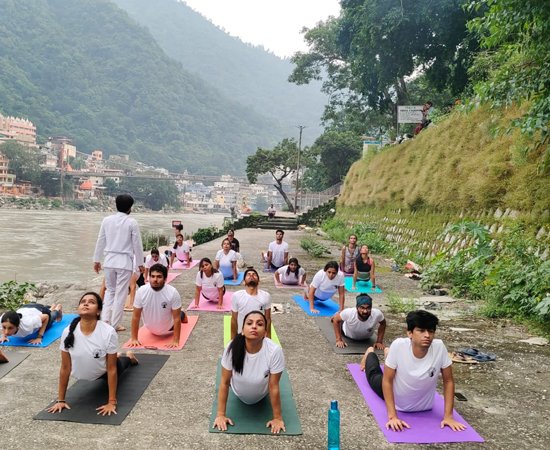
Yoga schools, ashrams, meditation centers, and teacher-training institutions are found throughout the region. Visitors can participate in daily yoga classes, meditation sessions, workshops, retreats, and longer teacher-training programs.
3. India Has a Strong Tradition of Meditation
A healthy life is not only about maintaining physical fitness. Mental well-being is equally important, especially in a world where stress, constant notifications, demanding work schedules, and information overload are common.
Meditation has deep roots in India’s philosophical and spiritual traditions. Many yoga centers introduce practitioners to meditation techniques that encourage awareness, concentration, relaxation, and reflection.
4. Ayurveda Complements the Yoga Lifestyle
Another major reason India attracts wellness travelers is Ayurveda. Ayurveda is a traditional Indian system of health knowledge that has historically emphasized lifestyle, diet, daily routines, and individualized approaches to well-being.
Yoga and Ayurveda are often experienced together in Indian wellness settings. A retreat may combine yoga sessions with meditation, traditional dietary practices, relaxation therapies, and educational sessions about healthy routines.
The goal is often to encourage people to develop sustainable habits instead of relying only on short-term fitness programs.
5. India’s Natural Environment Supports Wellness
India has an extraordinary variety of landscapes. From the Himalayan mountains and peaceful river valleys to tropical beaches, forests, deserts, and countryside, travelers can find environments suited to different types of wellness experiences.
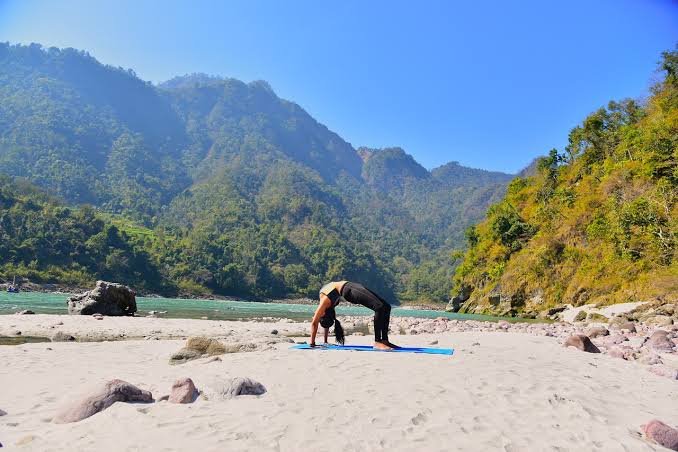
For yoga practitioners, nature can become an important part of the experience. Practicing meditation beside a river, doing breathing exercises in a quiet garden, or beginning the morning with yoga surrounded by mountains can create a different atmosphere from practicing in a crowded indoor gym.
Destinations such as Rishikesh, Kerala, Goa, Dharamshala, Mysore, and parts of Rajasthan and Uttarakhand offer different experiences for people interested in yoga, meditation, nature, and wellness.
6. Yoga Encourages Regular Physical Activity
Modern lifestyles often involve long periods of sitting. Office work, commuting, television, and excessive screen time can reduce opportunities for natural movement.
Yoga provides a practical way to introduce regular physical activity into everyday life. Depending on the style and level, a yoga session may include stretching, balance exercises, strengthening movements, controlled breathing, and relaxation.
Government and international health sources recognize yoga as a practice that can support aspects of physical and mental well-being. The Ministry of Ayush’s Common Yoga Protocol, for example, discusses potential benefits associated with physical fitness, musculoskeletal functioning, cardiovascular health, stress, anxiety, and certain lifestyle-related conditions.
7. Indian Food Culture Can Support Conscious Eating
Food is another important part of a healthy lifestyle, and India offers an enormous variety of traditional foods. Fresh vegetables, fruits, grains, pulses, legumes, spices, nuts, seeds, and regional preparations can form part of balanced meals.
Many yoga and wellness retreats emphasize mindful eating. Instead of eating quickly while working or watching a screen, people may be encouraged to slow down, pay attention to their food, and develop more awareness of eating habits.
India’s culinary diversity also makes it possible to explore nutritious foods from different regions. Simple home-style meals can sometimes demonstrate that healthy eating does not necessarily require complicated recipes or expensive ingredients.
8. Ashrams Provide Opportunities for a Simpler Lifestyle
For people who want to temporarily step away from their usual routines, Indian ashrams can provide a structured environment focused on yoga, meditation, learning, and self-discipline.
An ashram experience may involve early mornings, scheduled yoga sessions, meditation, simple meals, study, and periods of quiet reflection. Such routines can encourage visitors to reduce distractions and pay attention to everyday habits.
9. India Offers Yoga for Different Levels
Another advantage is the wide range of yoga opportunities available in India. Beginners can start with basic classes focusing on posture, breathing, flexibility, and relaxation. More experienced practitioners can explore advanced asana practices, meditation, philosophy, pranayama, or specialized yoga traditions.
Those looking for an in-depth learning experience can also enroll in programs such as 500 hour yoga teacher training in rishikesh, which can provide a structured approach to advanced yoga practices, philosophy, anatomy, teaching methodology, and meditation.
This flexibility means that India can appeal to someone attending a short retreat as well as someone planning a several-week or several-month yoga journey.