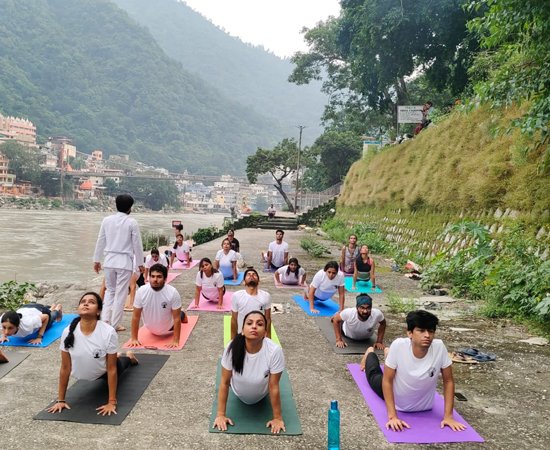
Modern life moves quickly. People spend long hours working, constantly checking their phones, managing responsibilities, and trying to balance personal and professional commitments. While technology has made many aspects of life easier, it has also created new challenges. Stress, lack of physical activity, poor sleep, mental fatigue, and difficulty maintaining focus have become common experiences for many people.
In the middle of this fast-paced lifestyle, traditional yoga offers a practical way to slow down and reconnect with the body and mind. Yoga is often associated with physical postures, but its traditional approach goes far beyond exercise. It includes breathing practices, meditation, ethical principles, mindful living, and techniques for developing greater awareness.
The interesting part is that these traditional practices do not necessarily require people to completely change their modern lifestyle. Instead, they can be adapted to fit into everyday routines. Even a few minutes of mindful breathing, stretching, or meditation can become a valuable part of a busy day.
Understanding Traditional Yoga
Traditional yoga originated in India and developed as a holistic approach to physical, mental, and spiritual well-being. Classical yoga teachings describe a path that includes ethical living, self-discipline, physical postures, breath regulation, concentration, meditation, and deeper states of awareness.
The physical practice, commonly known as asana, was traditionally used to develop stability and prepare the body for deeper practices. Pranayama, or breath regulation, helps practitioners become more aware of their breathing and cultivate steadiness. Meditation encourages a calmer and more focused mind.
Modern yoga classes may focus primarily on physical fitness, but traditional yoga presents a broader perspective. It encourages people to pay attention not only to how their bodies move but also to how they think, breathe, behave, and respond to everyday situations.
This broader approach makes yoga especially relevant in today’s world.
Yoga as a Solution for a Sedentary Lifestyle
Many modern jobs require people to sit for several hours each day. Working on computers, attending online meetings, driving, and using smartphones can result in very little natural movement.
Traditional yoga postures can provide a simple way to introduce movement into the day. Gentle poses can help people stretch areas of the body that become stiff after prolonged sitting. Practices involving the spine, shoulders, hips, and legs can be incorporated into short breaks.
A person does not always need an hour-long yoga session. Five to fifteen minutes of mindful movement can be useful when practiced consistently. For those who want to explore yoga more deeply, joining a structured program such as yoga teacher training in rishikesh can provide an opportunity to learn traditional practices, breathing techniques, meditation, and yoga philosophy in a dedicated environment. The goal is not necessarily to perform complicated poses but to bring awareness back to the body.
The Importance of Breath in Modern Life
Breathing is one of the simplest elements of traditional yoga that can be incorporated into modern routines. Most people breathe automatically without paying attention to the process. Yoga encourages conscious awareness of the breath.
Pranayama practices involve different approaches to regulating or observing breathing. Beginners should learn these techniques from reliable sources and avoid forcing the breath or practicing advanced techniques without proper guidance.
Even simple mindful breathing can be useful during a busy day. A person might sit quietly for a few minutes, relax the shoulders, and observe the natural rhythm of breathing. This creates a short pause between different activities.
For someone dealing with a stressful workday, such a pause can provide an opportunity to step away from constant stimulation and return attention to the present moment.
Meditation in the Age of Constant Distraction
Smartphones, social media, emails, and notifications make it difficult to maintain uninterrupted attention. Many people move from one task to another without giving their minds an opportunity to settle.
Meditation offers a traditional method of developing concentration and awareness. It does not necessarily require a special room, expensive equipment, or a long period of practice.
A beginner can start with five minutes of sitting quietly and observing the breath. Thoughts will naturally appear. Instead of becoming frustrated, the practitioner can simply notice the distraction and gently return attention to the chosen focus.
Yoga Philosophy and Modern Relationships
Traditional yoga also contains ethical principles that can be applied to modern relationships and professional environments. Concepts such as honesty, non-harming, moderation, contentment, and self-discipline encourage individuals to consider how their actions affect themselves and others.
For example, practicing honesty can improve communication, while non-harming can encourage people to become more thoughtful in their words and actions. Contentment can help counter the constant desire for more possessions, achievements, or social approval.
Bringing Yoga Into the Workplace
Yoga can also fit naturally into professional environments. Companies and individuals are increasingly interested in workplace well-being because prolonged sitting and mental pressure can affect productivity and overall quality of life.
Simple stretching, breathing exercises, and short mindfulness sessions can be incorporated into work breaks. Employees do not necessarily need a large studio or specialized equipment.
Even standing up, moving away from the computer, taking several conscious breaths, and gently stretching the body can create a healthier rhythm during the working day.
For people who work from home, creating boundaries can be especially important. A short yoga or meditation practice can help establish a transition between professional responsibilities and personal time.
Yoga and Digital Detox
Traditional yoga encourages turning attention inward, which can be particularly valuable in a world dominated by digital stimulation.
Modern practitioners can combine yoga with intentional technology breaks. For example, they might avoid checking their phone immediately after waking up and instead spend a few minutes breathing, stretching, or meditating.
Similarly, creating a short period without screens before bedtime can make the evening calmer.
The goal is not to reject technology. Modern technology has many benefits. Instead, yoga can encourage people to use technology consciously rather than allowing constant notifications and digital content to control their attention.