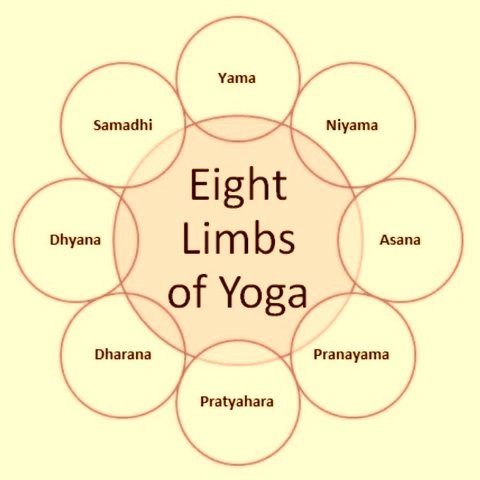
Yoga is often associated with physical postures, stretching, flexibility, and relaxation. However, the traditional understanding of yoga is much broader. Ashtanga Yoga, particularly in the classical sense described by the sage Patanjali, presents yoga as a complete approach to living that includes ethical conduct, personal discipline, physical postures, breath regulation, sense awareness, concentration, meditation, and deep inner absorption. The eight limbs are described in Patanjali’s Yoga Sutras as Yama, Niyama, Asana, Pranayama, Pratyahara, Dharana, Dhyana, and Samadhi.
The Sanskrit word Ashtanga comes from ashta, meaning “eight,” and anga, meaning “limb” or “part.” Therefore, Ashtanga Yoga can be understood as the eight-limbed path of yoga. It is important to distinguish this classical system from the modern physical style commonly known as Ashtanga Vinyasa Yoga. Patanjali’s Ashtanga Yoga is a philosophical and practical framework that extends far beyond a sequence of physical poses.
What Is Ashtanga Yoga?
Ashtanga Yoga is a holistic path designed to develop harmony between the body, breath, mind, behavior, and inner awareness. Instead of treating yoga simply as exercise, this approach views yoga as a way to cultivate self-discipline, clarity, awareness, and ultimately freedom from patterns that create suffering. For practitioners who want to explore these principles at a deeper level, advanced programs such as 300 hour yoga teacher training in rishikesh can offer an opportunity to study yoga philosophy, practices, and teaching methods more extensively.
The eight limbs provide a framework for developing these qualities. The first limbs focus more on how a person lives and relates to the world, while the later limbs progressively direct attention inward. The physical practice of asana is therefore only one part of the complete system.
This broader perspective is one reason Ashtanga Yoga remains relevant for beginners, experienced practitioners, meditation students, and people interested in traditional yoga philosophy.
The Eight Limbs of Ashtanga Yoga
1. Yama – Ethical Principles
The first limb is Yama, which focuses on ethical behavior and how we interact with other people and the world around us. Patanjali describes five principal Yamas:
Ahimsa – non-violence or non-harming
Satya – truthfulness
Asteya – non-stealing
Brahmacharya – responsible use of energy and moderation
Aparigraha – non-possessiveness or freedom from excessive attachment
These principles encourage practitioners to become more conscious of their actions, words, and intentions. For example, practicing Ahimsa does not simply mean avoiding physical violence. It can also encourage a person to become more compassionate toward themselves and others.
2. Niyama – Personal Observances
The second limb, Niyama, concerns personal discipline and inner development. It traditionally includes five practices:
Saucha – cleanliness and purity
Santosha – contentment
Tapas – discipline and committed effort
Svadhyaya – self-study
Ishvara Pranidhana – surrender to or devotion toward the Divine
Niyamas encourage practitioners to look inward. While Yama emphasizes our relationship with the external world, Niyama emphasizes our relationship with ourselves.
3. Asana – Physical Postures
Asana is probably the most familiar limb of yoga today. It refers to the practice of physical postures designed to develop steadiness, stability, and awareness.
In classical yoga, however, Asana was not simply about achieving impressive poses or extreme flexibility. Patanjali emphasizes the qualities of steadiness and comfort in a posture.
A mindful Asana practice can help practitioners develop body awareness, balance, mobility, strength, and the ability to remain calm while experiencing physical sensations.
Common modern yoga postures may include standing poses, seated poses, twists, forward bends, and balancing postures. The specific selection can vary depending on the teacher, tradition, and student’s needs.
4. Pranayama – Regulation of Breath
The fourth limb is Pranayama, traditionally associated with regulating and refining the breath and the flow of prana, or vital energy.
Breathing is closely connected with attention and mental states. A calm and deliberate breathing practice can become a bridge between physical yoga and meditation.
Different traditional approaches may include practices involving conscious inhalation, exhalation, breath retention, or specific breathing patterns. Because some pranayama techniques can be intense, beginners should learn them gradually and preferably under qualified guidance.
5. Pratyahara – Withdrawal of the Senses
Pratyahara marks a deeper movement inward. The term is commonly described as the withdrawal or disengagement of the senses from external objects.
In everyday life, the mind is constantly attracted to sounds, sights, notifications, conversations, memories, and other forms of stimulation. Pratyahara encourages practitioners to become less dependent on external stimulation and more aware of their inner experience.
It does not necessarily mean completely avoiding the outside world. Rather, it involves developing greater control over where attention goes.
6. Dharana – Concentration
The sixth limb is Dharana, or concentration.
Dharana involves intentionally directing attention toward a particular object, such as the breath, a mantra, a visual point, or another chosen focus. When the mind becomes distracted, the practitioner gently returns attention to that object.
This practice can be particularly valuable in modern life, where constant digital stimulation can make sustained attention challenging.
With regular practice, concentration can become more stable and prepare the mind for deeper meditation.
7. Dhyana – Meditation
Dhyana is commonly translated as meditation. While Dharana involves maintaining focused attention, Dhyana describes a deeper and more continuous meditative awareness.
Instead of repeatedly struggling to bring attention back to an object, awareness becomes more sustained and uninterrupted.
Meditation in the Ashtanga framework is therefore not simply about sitting quietly. It represents a gradual refinement of attention and awareness.
8. Samadhi – Deep Absorption
The eighth and final limb is Samadhi, often described as a state of deep meditative absorption.
It represents a profound transformation in the relationship between the practitioner, the mind, and the object of meditation. In Patanjali’s system, the ultimate purpose of the yogic path is connected with liberation and clear discernment.
Samadhi should not be treated as a goal that can be achieved through physical flexibility alone. It belongs to the deeper philosophical and meditative dimensions of yoga.
How to Practice Ashtanga Yoga in Daily Life
Practicing Ashtanga Yoga does not require someone to master all eight limbs immediately. Beginners can gradually introduce the principles into everyday life.
A simple approach might include:
Start with ethical awareness: Practice kindness, honesty, moderation, and non-possessiveness.
Develop personal discipline: Maintain cleanliness, cultivate gratitude, study yourself, and establish healthy routines.
Practice physical yoga: Use appropriate postures to develop body awareness and stability.
Work with the breath: Introduce gentle, mindful breathing practices.
Reduce unnecessary distractions: Spend a few minutes each day away from phones and other sources of stimulation.
Practice concentration: Focus on one task or object without constantly switching attention.
Meditate regularly: Begin with a few quiet minutes and gradually develop consistency.
This illustrates an important point: Ashtanga Yoga is not something that exists only on a yoga mat. Its principles can influence how a person thinks, communicates, works, rests, and responds to challenges.
Benefits of Ashtanga Yoga
Because Ashtanga Yoga encompasses several dimensions of practice, its potential benefits extend beyond physical fitness.
Physical Benefits
The Asana component can support flexibility, mobility, balance, body awareness, and physical strength when practiced appropriately. Regular movement can also encourage better awareness of posture and coordination.
Mental Benefits
Breathwork, concentration, and meditation can help cultivate a calmer and more focused mental state. Regular practice may also encourage practitioners to notice habitual thought patterns rather than automatically reacting to them.
Emotional Benefits
Principles such as Ahimsa and Santosha encourage compassion and contentment. Over time, these ideas can help practitioners develop a more balanced relationship with themselves and everyday experiences.
Spiritual and Philosophical Development
The deeper purpose of Ashtanga Yoga is not simply physical health. The eight-limbed framework provides a path toward self-understanding, discernment, and inner freedom. Patanjali’s system connects sustained practice of the limbs with the development of wisdom and liberation.