Modern life often keeps the body and mind in a constant state of activity. Work responsibilities, digital screens, busy schedules, family commitments, and everyday worries can make it difficult to truly slow down. Even when there is time to rest, many people find that their minds continue to stay active. Restorative Yoga offers a different approach. Instead of asking the body to work harder, this gentle practice creates an opportunity to become still, comfortable, and deeply relaxed.
Restorative Yoga is a slow and supportive style of yoga that uses props such as bolsters, blankets, cushions, blocks, and straps to help the body settle into comfortable positions. Poses are generally held for several minutes, allowing practitioners to release unnecessary physical effort and bring their attention inward. The goal is not to stretch as deeply as possible or achieve an impressive pose. Instead, the practice encourages relaxation, awareness, and a feeling of ease.
What Is Restorative Yoga?
Restorative Yoga is designed around the idea that the body benefits from periods of complete rest. While many yoga styles involve active movement, strengthening, balancing, or flowing between poses, restorative practice emphasizes support and stillness.
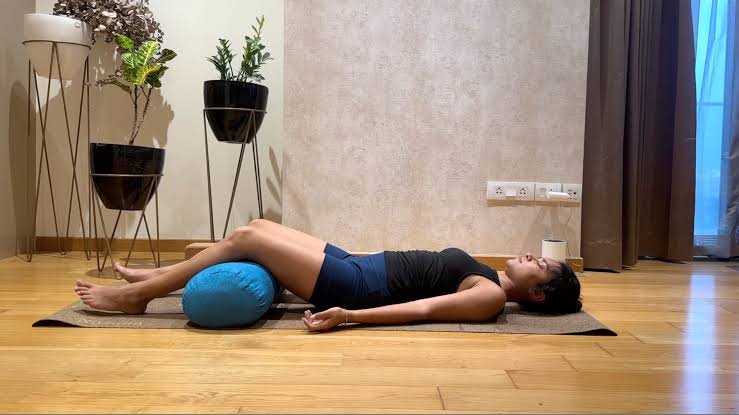
Props play an important role. A bolster may support the back or legs, while blankets can provide warmth and cushioning. Blocks can bring the floor closer to the body, making certain positions more comfortable. By creating physical support, practitioners can remain in a pose without constantly adjusting or using muscular effort.
A typical restorative session may contain only a few poses, but each one can be held for a considerable amount of time. This slower pace gives practitioners the chance to notice their breathing, physical sensations, and thoughts without needing to rush toward the next movement.
How Gentle Poses Encourage Relaxation
One of the defining features of Restorative Yoga is its emphasis on reducing physical effort. When the body is properly supported, muscles can gradually soften rather than continuously working to maintain a position.
For example, lying over a bolster in a supported backbend can create a sense of openness through the front of the body while allowing the back and legs to remain relaxed. Similarly, a supported child’s pose can provide a comfortable position for turning attention inward.
The stillness of these poses can also make the breath more noticeable. Instead of deliberately forcing long or complicated breathing patterns, practitioners can simply observe their natural breathing and gradually allow it to become calmer.
This combination of physical support, quiet movement, and mindful breathing makes restorative practice particularly suitable for people who feel they are constantly “switched on.”
Common Restorative Yoga Poses
Restorative Yoga can include many different positions, but some poses are especially useful for creating a calm and supported practice.
Supported Child’s Pose
Supported Child’s Pose is a comforting position that can be adapted with a bolster or several folded blankets. The upper body rests on the support while the legs remain comfortably positioned.
The pose can create a sense of security and encourage inward awareness. Rather than focusing on stretching, practitioners can use the position to slow down and pay attention to their breathing.
Legs Up the Wall
Legs Up the Wall is a simple restorative position in which the legs are elevated while the upper body remains supported on the floor. A folded blanket can be placed under the head or hips if comfortable.
Because the pose requires very little physical effort, it can be useful during a quiet evening practice. Many people enjoy it as a way to transition from an active day toward a more restful state.
Supported Reclining Bound Angle Pose
In this pose, the soles of the feet come together while the knees move outward. A bolster or cushions can support the spine, and additional blankets can be placed under the knees.
The additional support allows the practitioner to remain in the position without forcing the hips or inner thighs. The chest and abdomen can soften while attention remains on slow, comfortable breathing.
Supported Forward Fold
A supported forward fold can be practiced with a bolster or cushions placed in front of the body. The practitioner gently folds forward and allows the head and upper body to rest on the support.
The purpose is not to reach the floor or create an intense stretch. Instead, the support makes it possible to remain comfortable and still for several minutes.
The Role of Breathing in Restorative Yoga
Breathing is an important part of relaxation. During a restorative session, there is usually no need to manipulate the breath aggressively. Instead, practitioners can observe how they are breathing and allow the breath to become smooth and comfortable.
A slow and steady breathing rhythm can help bring attention away from distractions. When the mind begins to wander, returning awareness to the breath provides a simple anchor.
Some practitioners may also incorporate gentle breathing exercises into a restorative session. These should always feel comfortable rather than forced. Restorative Yoga is fundamentally about reducing strain, so breathing practices should support that same principle.
Restorative Yoga and Stressful Daily Life
Stress does not always disappear simply because someone has finished their workday. The body may remain tense even after the stressful situation has passed. Tight shoulders, a clenched jaw, restless thoughts, and shallow breathing can become familiar sensations.
Restorative Yoga provides dedicated time to interrupt this pattern. Instead of responding to stress with more activity, practitioners intentionally create space for stillness. Those who explore yoga more deeply through programs such as yoga teacher training in rishikesh may also encounter restorative practices alongside asana, pranayama, meditation, and yoga philosophy.
A regular practice may also encourage greater awareness of tension. Someone may begin to recognize that their shoulders rise when they are worried or that their breathing changes during stressful moments. This awareness can be valuable beyond the yoga mat because recognizing tension is often the first step toward responding to it more consciously.
Who Can Practice Restorative Yoga?
Restorative Yoga can be accessible to a wide range of practitioners because poses can be modified according to individual needs. Beginners do not need advanced flexibility or extensive yoga experience to begin.
It can also complement more physically demanding forms of exercise. People who regularly practice running, strength training, Vinyasa Yoga, or other active activities may appreciate having a slower practice that focuses on recovery and relaxation.
Creating a Restorative Yoga Practice at Home
A restorative session does not require a large studio or expensive equipment. A quiet corner of the home can be enough. A yoga mat, blankets, cushions, and firm pillows can often provide useful support.
The environment also matters. Lower lighting, comfortable clothing, and a quiet atmosphere can make it easier to focus inward. Some people prefer practicing in the evening, while others enjoy a short restorative session during the afternoon when they need a mental break.
It is helpful to begin with a small number of poses rather than trying to create a complicated routine. For example, a beginner could spend several minutes in Supported Child’s Pose, move into Legs Up the Wall, and finish with a supported Savasana.