Kundalini Yoga is a distinctive branch of yoga that brings together physical movement, conscious breathing, meditation, chanting, and focused awareness. While many forms of yoga primarily emphasize flexibility, strength, or relaxation, Kundalini Yoga takes a broader approach by exploring the connection between the body, breath, mind, and inner awareness. Its practices are traditionally associated with awakening and directing a subtle form of energy known as Kundalini.
For practitioners, Kundalini Yoga can be more than a physical exercise routine. It may become a structured practice for developing concentration, emotional balance, self-awareness, and a deeper sense of inner connection. The tradition has its own methods and spiritual framework, making it particularly interesting for people who want to explore yoga beyond physical postures.
What Is Kundalini Yoga?
The word Kundalini comes from Sanskrit and is commonly associated with the idea of a coiled energy located at the base of the spine. In traditional yogic philosophy, this energy is described as a latent spiritual potential within an individual. Kundalini Yoga uses various practices to cultivate awareness and encourage the movement of this energy through the body’s subtle energy system.
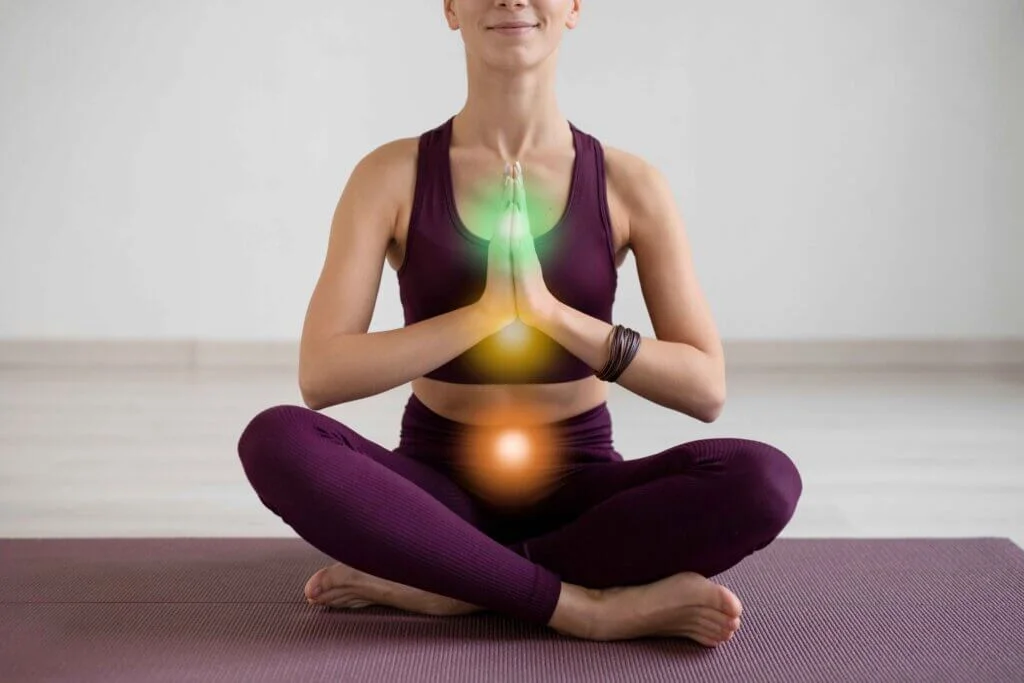
The concept is closely connected with the chakras, which are traditionally described as energy centers along the central axis of the body. According to yogic teachings, the gradual awakening of Kundalini is associated with greater awareness and spiritual development.
The Main Practices of Kundalini Yoga
One of the defining characteristics of Kundalini Yoga is its combination of several practices within a single session. Rather than relying exclusively on physical postures, a class may incorporate movement, breathwork, meditation, mantra, and relaxation.
1. Kriyas
Kriya is an important term in Kundalini Yoga. It generally refers to a specific sequence of exercises and techniques designed with a particular purpose. A kriya may combine postures, repetitive movements, breathing patterns, hand positions, concentration, and sound.
The sequences can vary considerably. Some may emphasize physical vitality, while others are designed around relaxation, concentration, or meditation. The structured nature of kriyas gives practitioners a clear framework to follow instead of simply moving from one yoga posture to another.
2. Pranayama
Breathing practices, traditionally known as pranayama, play an important role in Kundalini Yoga. Conscious breathing can encourage practitioners to become more aware of their physical sensations, thoughts, and emotional responses.
Different breathing techniques may involve controlled inhalation and exhalation, rhythmic breathing, or more vigorous patterns. Beginners should learn these techniques gradually and under appropriate instruction, particularly when a practice involves rapid or intense breathing.
A steady breathing practice can also make a yoga session feel more focused. Instead of allowing attention to wander, practitioners repeatedly return their awareness to the rhythm and quality of the breath.
3. Mantra and Chanting
Sound is another major component of Kundalini Yoga. Mantras are repeated sounds, words, or phrases used to support concentration and meditation. Chanting can create a rhythmic structure that helps practitioners maintain attention during their practice.
For some people, repeating a mantra feels calming and centering. It can also become a way of temporarily shifting attention away from everyday distractions.
The spiritual meaning of particular mantras depends on the tradition and the practitioner’s understanding. Therefore, learning their pronunciation, meaning, and traditional context can make the practice more meaningful.
4. Meditation
Meditation is central to the spiritual dimension of Kundalini Yoga. Instead of treating meditation as something separate from yoga, the tradition integrates meditative awareness into its broader practice.
A meditation session may involve observing the breath, repeating a mantra, concentrating on a particular point, or sitting quietly with heightened awareness. Regular meditation can encourage practitioners to notice habitual thought patterns rather than automatically reacting to every thought.
5. Mudras
Mudras are symbolic hand gestures traditionally used in yoga and meditation. Different mudras are associated with different intentions and symbolic meanings.
In Kundalini Yoga, mudras may be incorporated into meditation, breathing exercises, or kriyas. Their physical simplicity can make them accessible even when the practitioner is sitting still.
6. Relaxation
Relaxation is also an important part of a balanced Kundalini Yoga session. After physical movement, breathing, or chanting, practitioners may spend time lying down or sitting quietly.
The Spiritual Approach of Kundalini Yoga
The spiritual philosophy of Kundalini Yoga emphasizes self-awareness and the development of a deeper relationship with one’s inner life. Rather than focusing solely on external physical performance, practitioners are encouraged to explore questions about consciousness, identity, purpose, and personal transformation.
The awakening of Kundalini is traditionally viewed as a gradual spiritual process rather than a quick physical achievement. The goal is not simply to experience unusual sensations but to cultivate greater awareness and understanding.
Potential Benefits of Kundalini Yoga
Kundalini Yoga combines several practices that may contribute to physical and mental well-being. Individual experiences naturally differ, and benefits depend on factors such as consistency, teaching quality, lifestyle, and the specific techniques being practiced.
Improved Body Awareness
Kundalini exercises encourage practitioners to pay close attention to movement, posture, breathing, and physical sensations. This can help develop greater awareness of how the body feels during different activities.
Greater Concentration
Meditation, mantra repetition, and structured kriyas require sustained attention. With regular practice, these techniques may help practitioners become more comfortable with directing their attention intentionally.
Stress Management
Slow breathing, meditation, relaxation, and mindful movement are commonly used as tools for managing everyday stress. A regular yoga routine may provide dedicated time to step away from work, digital distractions, and other sources of mental pressure.
Emotional Self-Awareness
Kundalini Yoga encourages observation rather than immediate reaction. During meditation, practitioners may become more aware of recurring thoughts or emotional patterns. This does not mean that yoga automatically resolves emotional difficulties, but the practice can provide a framework for reflection.
Physical Conditioning
Although spirituality is an important part of Kundalini Yoga, its physical practices can still involve strength, mobility, coordination, and endurance. Repeated movements and sustained postures may challenge different muscle groups depending on the kriya being practiced.
A Sense of Inner Connection
For people interested in contemplative traditions, Kundalini Yoga can create a regular space for introspection. Meditation, chanting, and conscious breathing may encourage a feeling of connection with one’s inner experience and personal values.
Kundalini Yoga and the Broader Yoga Tradition
Kundalini Yoga shares several foundations with other traditional yoga paths, including meditation, pranayama, ethical awareness, concentration, and the pursuit of deeper self-knowledge. People exploring these broader aspects of yoga may also encounter them through programs such as yoga teacher training in rishikesh, where traditional practices are often studied alongside practical techniques and philosophical teachings. However, Kundalini Yoga has its own distinctive combination of kriyas, mantra, mudras, breathwork, and spiritual symbolism, giving it a particular character within the wider yoga tradition.
Kundalini Yoga for Beginners
Someone new to Kundalini Yoga does not need to begin with advanced practices. Starting with basic movements, comfortable breathing exercises, simple meditation, and introductory kriyas can provide a foundation.
Finding a qualified and responsible teacher can be particularly useful. Some Kundalini practices involve intense breathing or prolonged exercises, and proper instruction can help beginners understand technique, pacing, and appropriate modifications.
Beginners should also avoid treating unusual physical or emotional sensations as proof of spiritual advancement. Experiences during meditation can vary widely, and a balanced approach is generally more useful than chasing dramatic experiences.