Power Yoga is a dynamic and physically engaging style of yoga that combines traditional yoga postures with continuous movement, controlled breathing, and a stronger focus on physical conditioning. Unlike slower forms of yoga that may involve holding poses for extended periods with long periods of stillness, Power Yoga often follows a flowing sequence that keeps the body active and the mind focused.
For people who want to improve strength, flexibility, balance, and endurance through a yoga-based practice, Power Yoga can be an effective option. It can challenge major muscle groups while also encouraging body awareness and mindful breathing. Although the practice can be physically demanding, it can be adapted to different fitness levels with appropriate modifications.
What Is Power Yoga?
Power Yoga is generally considered a modern, fitness-oriented approach to yoga. It developed from more traditional dynamic practices, particularly Ashtanga-based yoga, but does not always follow one fixed sequence. Teachers may design different classes with varying poses, transitions, speeds, and levels of intensity.
A typical Power Yoga session may include standing postures, balancing poses, core exercises, backbends, twists, and movements that transition smoothly from one position to another. Sun Salutations are also commonly used to warm the body and establish a rhythmic connection between movement and breathing.
How Power Yoga Builds Strength
One of the most noticeable physical benefits of Power Yoga is its ability to challenge muscles using body weight as resistance. Many poses require the practitioner to support, stabilize, or move the body without relying on traditional gym equipment.
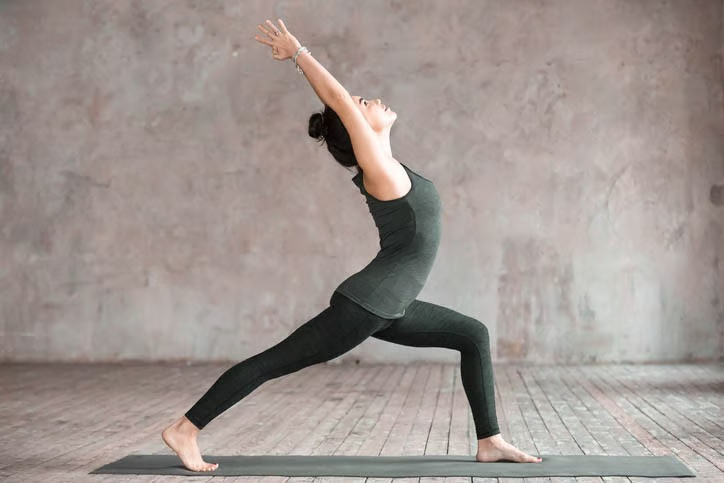
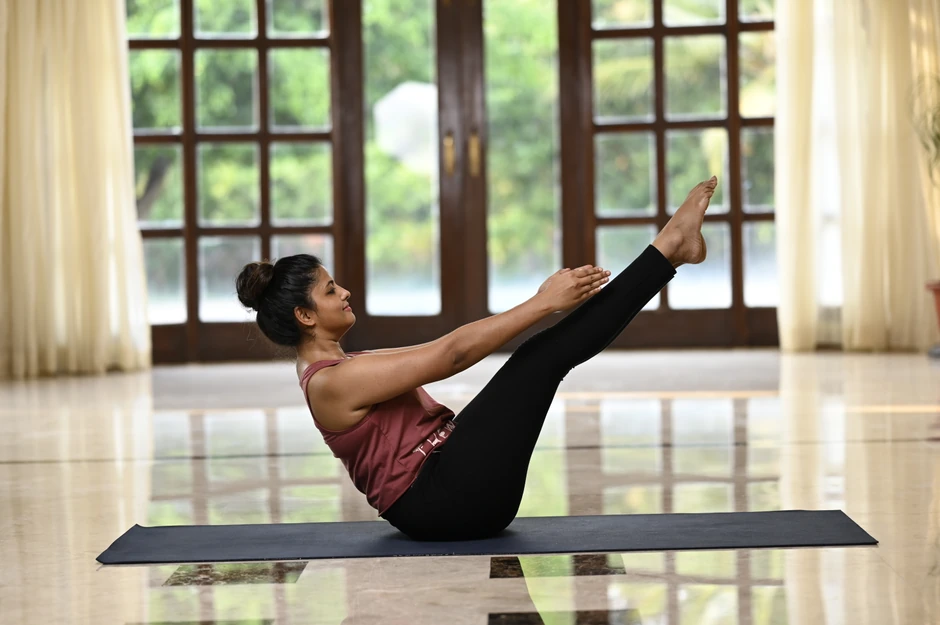
Poses such as Plank, Chaturanga Dandasana, Chair Pose, Warrior variations, and Boat Pose can engage different muscle groups. The arms and shoulders may work to stabilize the upper body, while the abdominal muscles help maintain control during transitions and balancing movements.
Regular practice can gradually improve functional strength. Instead of focusing on isolating a single muscle, many Power Yoga sequences require several parts of the body to work together. For example, a standing balance may involve the legs, hips, abdominal muscles, and smaller stabilizing muscles simultaneously.
Creating a Balanced Power Yoga Routine
A balanced Power Yoga session generally benefits from a gradual structure. Starting immediately with demanding poses can place unnecessary stress on muscles and joints.
A practice might begin with a few minutes of quiet breathing and gentle movements. This can be followed by Sun Salutations and progressively more challenging standing sequences.
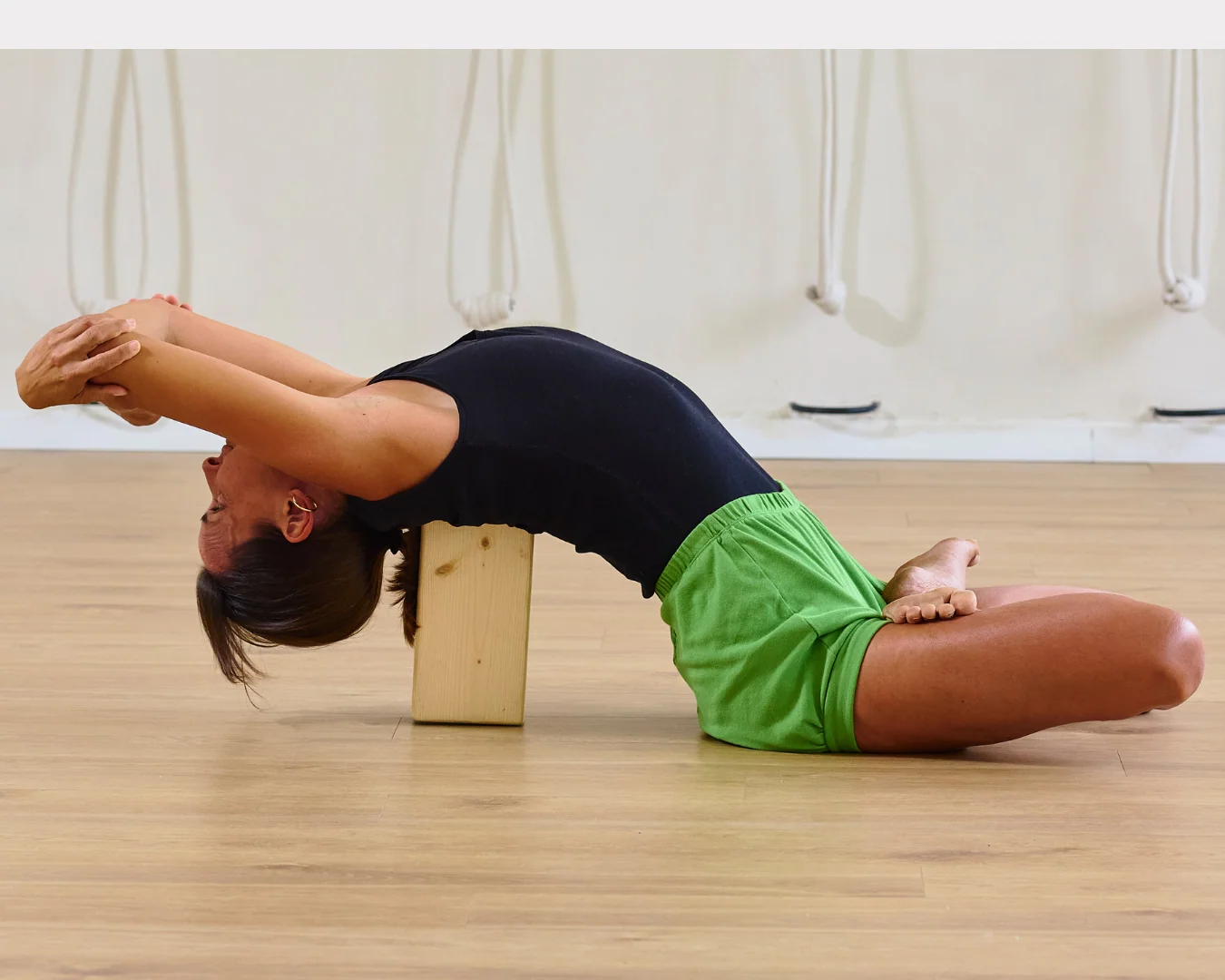
The middle portion of the practice may include strength-building poses, balances, twists, hip openers, and other movements. More demanding poses should be introduced after the body has had an opportunity to warm up.
For practitioners who want to explore yoga beyond regular physical classes, structured teacher-training programs can provide deeper exposure to yoga philosophy, anatomy, sequencing, teaching methodology, and different styles of practice. A 300 hour yoga teacher training in rishikesh can be one such advanced learning pathway for students who want to develop their understanding of yoga through a more comprehensive training experience.
Improving Flexibility Through Dynamic Movement
Flexibility is another important part of Power Yoga. Moving repeatedly through different ranges of motion can help practitioners become more comfortable with movements that involve the hips, shoulders, spine, hamstrings, and other areas.
Unlike flexibility exercises that focus only on passive stretching, Power Yoga often combines mobility with active muscular engagement. A practitioner may move into a pose while maintaining control and then transition into another position.
For instance, sequences involving lunges, forward folds, twists, and hip-opening movements can gradually improve mobility when performed consistently and safely.
Developing Physical Endurance
Power Yoga can also challenge cardiovascular and muscular endurance, particularly when sequences are performed continuously with relatively short pauses.
A flowing sequence may require the body to move from standing positions to floor-based poses and back again. Repeating Sun Salutations or linking several postures together can increase the physical demand of a session.
As practitioners become more accustomed to this style of movement, they may be able to maintain a steady practice for longer periods without becoming exhausted as quickly. Muscular endurance can also improve because muscles repeatedly support the body throughout a sequence.
Breathing plays an important role here. Instead of holding the breath during challenging poses, practitioners are encouraged to maintain controlled breathing. Learning to coordinate breathing with movement can help create a more sustainable rhythm during practice.
The Importance of Core Strength
A strong and stable core is particularly valuable in Power Yoga. The abdominal and surrounding muscles help support the spine and maintain control during transitions and balancing postures.
Poses such as Boat Pose, Forearm Plank, Side Plank, and various balance exercises can challenge the core. Even when the practice does not appear to be focused on abdominal exercises, maintaining proper alignment often requires the core to remain engaged.
Developing core awareness can also improve control in other movements. Rather than simply tightening the abdomen throughout the entire session, practitioners can learn to activate the appropriate muscles according to the demands of each pose.
Power Yoga and Balance
Balance is another skill developed through regular practice. Many Power Yoga sequences include single-leg poses and movements that require concentration and body control.
Tree Pose, Warrior III, Half Moon Pose, and other balancing postures can challenge stability. At first, it may be difficult to remain steady, especially when transitioning between poses. With practice, the body can become more familiar with maintaining alignment while the mind learns to remain calm during moments of instability.
Balance is not purely a physical ability. It also involves concentration. Looking at a fixed point, controlling the breath, and avoiding unnecessary tension can make balancing poses more manageable.
Mental Focus and Mindful Movement
Although Power Yoga is physically demanding, its foundation is not limited to exercise. Mindful attention remains an important part of the practice.
Moving through a sequence requires awareness of breathing, posture, alignment, and body sensations. When attention is directed toward the present movement, there is less room for distractions.
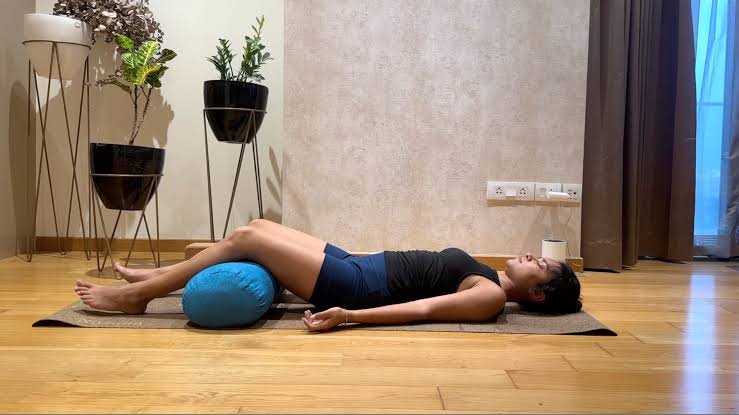
This combination of physical effort and mental concentration can make Power Yoga feel both challenging and meditative. After completing a demanding sequence, practitioners may spend time in quieter poses or relaxation to allow the body and mind to settle.
Breathing During Power Yoga
Breathing provides an important rhythm for dynamic yoga practices. Coordinating breath with movement can make a sequence feel more organized and controlled.
A practitioner may inhale during certain expansive movements and exhale during movements that involve folding or contracting. The exact breathing pattern can vary depending on the teacher and style of practice.
The key principle is to avoid unnecessarily holding the breath. If a pose becomes so difficult that maintaining smooth breathing is impossible, it may be appropriate to reduce the intensity or modify the posture.
Learning to breathe steadily during physical effort can also improve awareness of how the body responds to challenge.
Who Can Practice Power Yoga?
Power Yoga can be practiced by many people, but the intensity should match individual experience and physical condition. Beginners do not need to perform advanced poses immediately.
Starting with a beginner-friendly class can help new practitioners learn basic alignment, breathing techniques, and transitions before attempting more challenging sequences.
Experienced practitioners may choose more demanding variations, but greater difficulty is not always the goal. A sustainable practice should allow the body to develop gradually.
Anyone recovering from an injury or managing a physical condition should seek appropriate professional guidance before beginning a demanding exercise routine. During practice, sharp pain, unusual discomfort, dizziness, or difficulty breathing should not be ignored.