In a world where yoga is often associated with physical flexibility, challenging postures, and fitness routines, Sivananda Yoga offers a more traditional and holistic perspective. It views yoga not simply as exercise but as a complete way of living that brings greater balance to the body, mind, and inner self. Its approach combines physical practices with breathing exercises, relaxation, meditation, proper nutrition, and positive thinking.
Sivananda Yoga is rooted in the classical teachings of yoga and places considerable importance on developing a healthy lifestyle alongside regular practice. Rather than focusing only on how advanced a person can become in a particular posture, the tradition encourages practitioners to understand the connection between physical health, mental clarity, emotional balance, and spiritual development.
What Is Sivananda Yoga?
Sivananda Yoga is a traditional style of yoga associated with Swami Sivananda, an Indian spiritual teacher and physician whose teachings emphasized the integration of yoga into everyday life. His approach focused on serving others, maintaining a disciplined lifestyle, cultivating knowledge, and developing inner awareness.
The modern Sivananda Yoga system was further organized and spread internationally by Swami Vishnudevananda, one of Swami Sivananda’s disciples. He developed a practical framework that made the traditional teachings accessible to people from different backgrounds.
The practice is commonly built around five fundamental principles:
Proper exercise through yoga postures
Proper breathing through pranayama
Proper relaxation
A balanced and appropriate diet
Positive thinking and meditation
Together, these principles create a lifestyle-oriented approach rather than treating yoga as an isolated physical activity.
The Traditional Foundation of Sivananda Yoga
One of the distinctive characteristics of Sivananda Yoga is its respect for traditional yoga philosophy. The physical postures are important, but they are considered one part of a much broader practice.
Traditional yoga teaches that physical well-being can support mental and spiritual development. When the body is cared for, breathing becomes more balanced, and the mind is given opportunities to become quieter and more focused.
Sivananda Yoga therefore encourages practitioners to develop consistency rather than constantly seeking new or complicated techniques. The emphasis is on understanding the purpose behind the practice and gradually incorporating yogic principles into daily life.
This traditional perspective can make Sivananda Yoga appealing to people who want to explore yoga beyond physical exercise.
The Role of Asanas
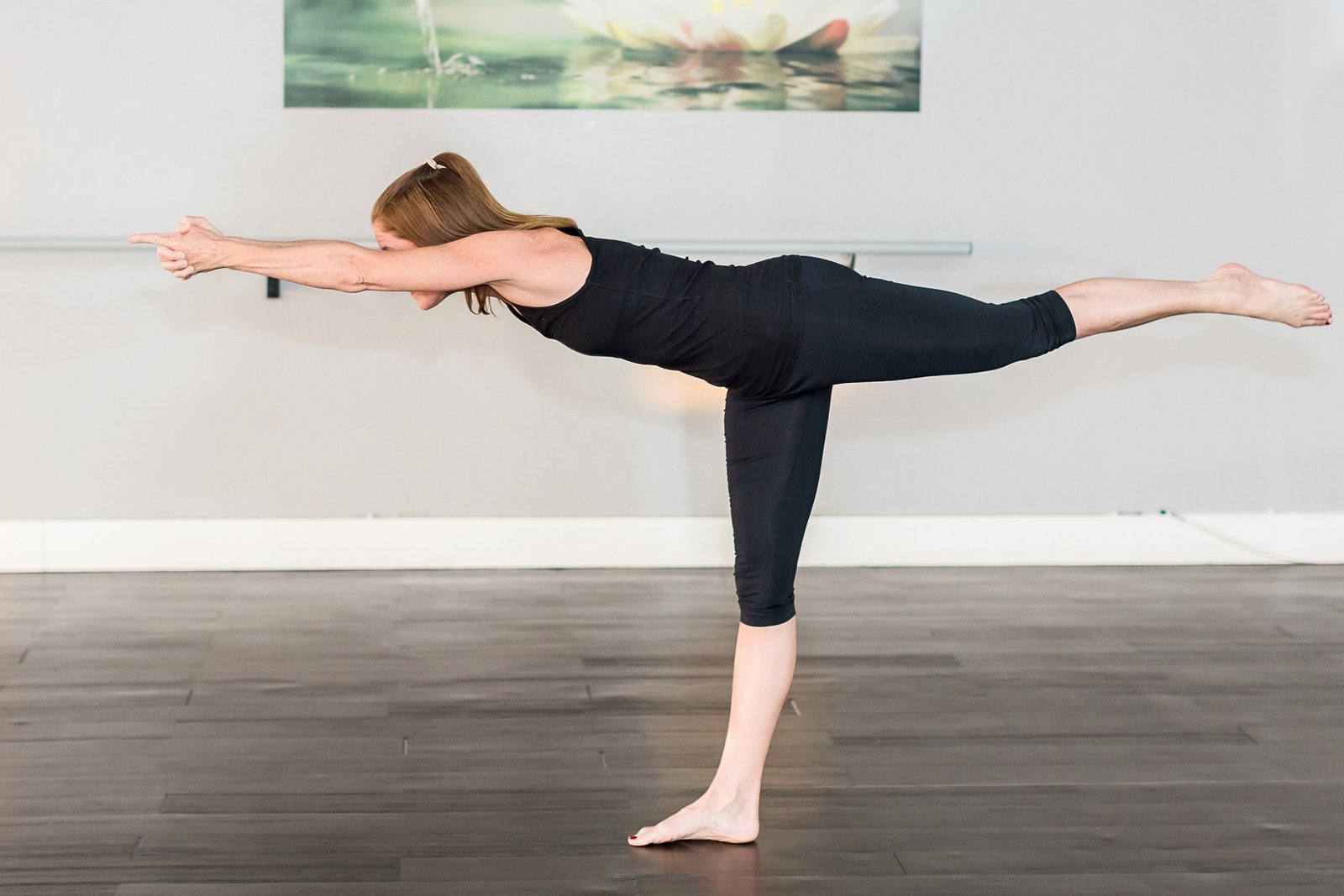
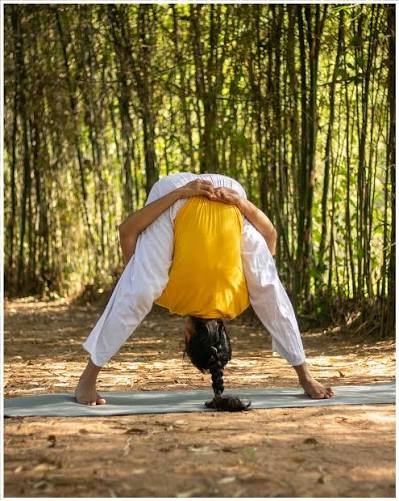
Asanas, or yoga postures, form an important part of Sivananda Yoga practice. However, the objective is not simply to perform difficult poses. Instead, postures are practiced to encourage physical strength, flexibility, mobility, balance, and relaxation.
A typical practice may include foundational postures such as Sarvangasana (Shoulder Stand), Matsyasana (Fish Pose), Paschimottanasana (Seated Forward Bend), Bhujangasana (Cobra Pose), Salabhasana (Locust Pose), Dhanurasana (Bow Pose), Ardha Matsyendrasana (Half Spinal Twist), and Savasana (Corpse Pose).
These postures may be practiced in a structured sequence, with attention given to breathing and relaxation between movements.
For beginners, the traditional approach can also provide an opportunity to learn patience. Instead of forcing the body into a posture, practitioners are encouraged to develop awareness and work within their individual abilities.
Pranayama: Connecting Breath and Mind
Breathing is another central component of Sivananda Yoga. Pranayama practices are used to develop greater awareness of the breath and encourage a calmer state of mind.
Breathing is closely connected with mental and emotional states. When a person is stressed, breathing may become quick or shallow. During periods of relaxation, breathing often becomes slower and more comfortable. Yogic breathing practices encourage practitioners to become more conscious of this relationship.
Common practices associated with Sivananda Yoga include techniques such as Kapalabhati and Anulom Vilom, practiced according to the individual’s experience and instruction.
Proper guidance is particularly important when learning breathing techniques, especially practices involving forceful or prolonged breathing. The purpose of pranayama is not to compete or strain but to develop awareness, steadiness, and control.
The Importance of Relaxation
Modern lifestyles can keep the body and mind in a nearly continuous state of activity. Work responsibilities, digital communication, family commitments, and everyday stress can make it difficult to slow down.
Sivananda Yoga gives relaxation a specific place within the practice.
Savasana, usually practiced at the end of a session, allows the body to rest after physical activity. Instead of immediately moving on to another task, practitioners have an opportunity to observe the body, release unnecessary muscular tension, and settle the mind.
Relaxation is not treated as wasted time. It is considered an essential part of maintaining balance. Learning how to consciously relax can also help practitioners become more aware of how they respond to stress in daily situations.
Meditation and Positive Thinking
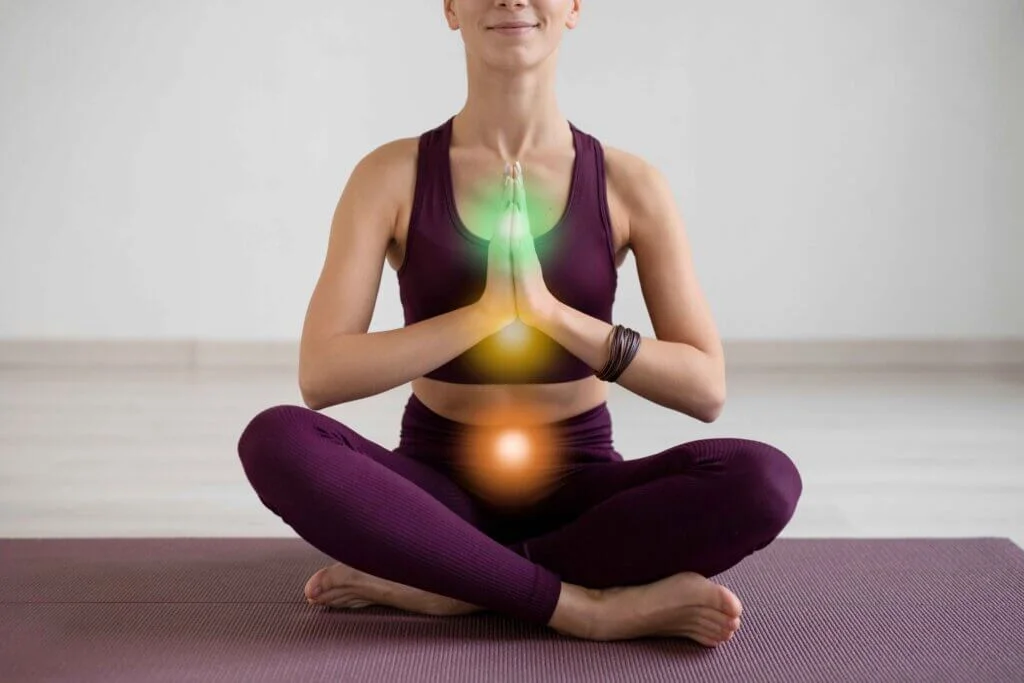
The Sivananda approach extends beyond the physical body into mental discipline. Meditation and positive thinking are important aspects of its philosophy.
Meditation provides an opportunity to observe thoughts without constantly reacting to them. With regular practice, a person may become more aware of habitual thought patterns and emotional responses.
Positive thinking does not mean ignoring difficulties or pretending that negative experiences do not exist. Rather, the traditional approach encourages cultivating constructive attitudes, self-awareness, patience, compassion, and a balanced outlook.
This can gradually influence how a person approaches challenges outside the yoga practice.
Sivananda Yoga for Beginners
People who are new to yoga may sometimes assume that they need to be flexible before beginning. Sivananda Yoga takes a different perspective. The practice can be approached gradually, with modifications made according to individual ability. Those who want to explore yoga more deeply can also consider structured programs such as a 200 hour yoga teacher training in rishikesh, where traditional yoga practices, philosophy, breathing techniques, meditation, and teaching principles may be studied in a more comprehensive setting.
A beginner may start with simple postures, basic breathing awareness, relaxation, and short meditation sessions. As familiarity increases, the practitioner can gradually develop a more consistent routine.
It is important to avoid comparing personal progress with other practitioners. Yoga is not a competition, and physical ability can vary considerably between individuals.
Learning from a qualified and experienced teacher can also help beginners understand proper alignment, breathing techniques, relaxation, and the traditional principles behind the practice.
The Role of Diet in Sivananda Yoga
Food is also considered part of a yogic lifestyle. The traditional Sivananda approach generally encourages a simple, balanced, and mindful approach to eating.
Rather than viewing food only in terms of calories or physical appearance, yogic traditions may consider how eating habits affect energy, digestion, concentration, and overall well-being.
A mindful approach to food can involve eating appropriate portions, choosing nourishing ingredients, paying attention while eating, and avoiding unnecessary excess.
Dietary needs differ from person to person, so traditional principles should be adapted thoughtfully rather than followed rigidly. Individuals with medical or nutritional concerns should seek appropriate professional guidance.
How Sivananda Yoga Supports a Mind-Body Connection
One of the central ideas behind Sivananda Yoga is that the body and mind are not completely separate. Physical tension can influence mental comfort, while stress and emotional strain can affect the body.
Yoga offers a way to observe this relationship.
For example, practicing a steady posture requires physical awareness. Coordinating movement with breathing encourages concentration. Relaxation helps reduce physical tension, while meditation directs attention inward.
Through this combination, yoga becomes more than a series of exercises. It becomes a practice of awareness.