Pregnancy is a remarkable period of physical, emotional, and mental change. As the body adapts to support a growing baby, many expecting mothers look for gentle ways to stay active, reduce everyday discomfort, and maintain a sense of calm. Prenatal yoga can be a valuable practice during this time when it is approached thoughtfully and adapted to the needs of pregnancy.
Unlike a regular yoga routine, prenatal yoga focuses on comfort, stability, breathing, relaxation, and movements that can be modified as pregnancy progresses. It is not about achieving advanced poses or pushing the body to its limits. Instead, the practice encourages mothers to listen to their bodies and develop greater awareness of physical and emotional changes.
While many healthy pregnancies can include appropriately modified physical activity, every pregnancy is different. Anyone considering prenatal yoga should discuss exercise with their doctor, midwife, or other qualified maternity-care professional, particularly if there are pregnancy complications or medical concerns.
What Is Prenatal Yoga?
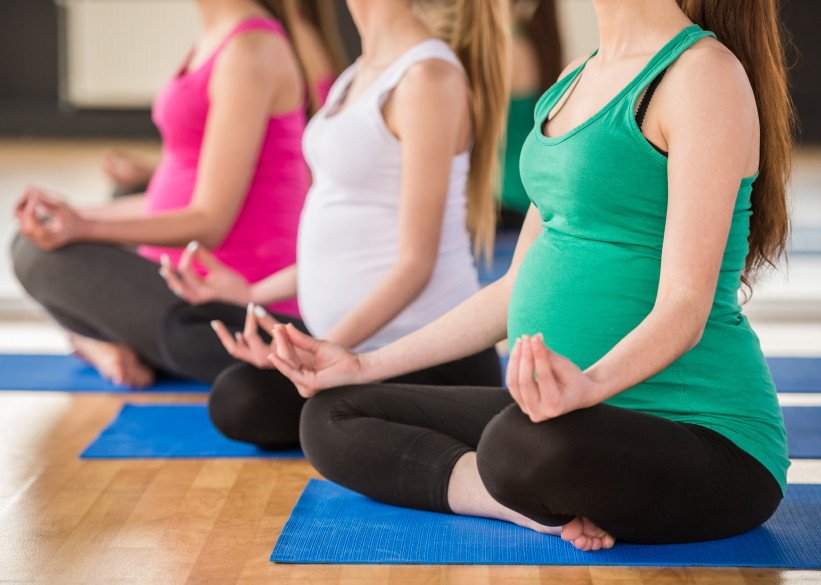
Prenatal yoga is a form of yoga specifically adapted for pregnancy. It generally combines gentle physical postures, breathing exercises, relaxation techniques, and mindfulness. The movements are designed to accommodate changes such as a growing abdomen, shifting balance, increased body weight, and changes in flexibility.
A prenatal yoga session may include standing movements, supported stretches, gentle strengthening exercises, breathing practices, and relaxation. Props such as blocks, bolsters, blankets, and chairs can be used to make poses more comfortable and stable. Yoga teachers who undertake advanced education, such as a 300 hour yoga teacher training in rishikesh, may also develop a deeper understanding of traditional yoga principles, teaching methods, and ways of adapting practices for different students.
Potential Benefits of Prenatal Yoga
When appropriately practiced, prenatal yoga may support general physical and emotional well-being during pregnancy. Regular gentle movement can help expecting mothers remain active while encouraging body awareness.
1. Supports Gentle Physical Activity
Pregnancy can sometimes make regular exercise feel challenging. Prenatal yoga offers a low-impact way to incorporate movement into a daily or weekly routine.
Gentle postures can involve the legs, hips, back, shoulders, and arms without requiring strenuous movements. The intensity should remain comfortable, and the mother should never feel pressured to continue a movement that causes pain or unusual discomfort.
2. Encourages Better Body Awareness
Pregnancy changes the way the body moves. As the abdomen grows and the center of gravity shifts, balance and posture may change.
Yoga encourages practitioners to pay attention to alignment, breathing, muscle tension, and physical sensations. This awareness can help an expecting mother recognize when a movement feels comfortable and when it needs to be modified.
3. Promotes Relaxation
Pregnancy can bring excitement as well as uncertainty, and some women may experience periods of stress or emotional tension. Slow breathing and relaxation techniques can create an opportunity to pause and reconnect with the body.
A quiet prenatal yoga practice may include several minutes of comfortable breathing, gentle movement, and relaxation at the end of the session.
4. May Help With Common Pregnancy Discomforts
As pregnancy progresses, changes in posture and body weight can contribute to discomfort in areas such as the lower back, hips, shoulders, and legs. Gentle stretching and movement may help maintain mobility and reduce muscular tension for some women.
However, persistent, severe, or unusual pain should not simply be treated as a normal part of pregnancy. Medical advice should be sought when symptoms are concerning.
Safe and Gentle Prenatal Yoga Practices
The safest prenatal yoga routine is one that respects the changing needs of the body. The following practices can be incorporated into a suitable prenatal routine when approved by a healthcare professional.
Cat-Cow Movement
Cat-Cow is a gentle movement often used to mobilize the spine. Begin on the hands and knees with the hands positioned comfortably beneath the shoulders and the knees beneath the hips.
Move slowly between a comfortable neutral or gently rounded spinal position and a mild extension. There is no need to force the abdomen downward or create a deep spinal curve.
The movement should remain smooth and synchronized with natural breathing.
Supported Child’s Pose
A modified Child’s Pose can be practiced with the knees comfortably separated to provide space for the abdomen. A bolster, cushions, or folded blankets can support the upper body.
The purpose is relaxation rather than achieving a deep stretch. If the position creates pressure, dizziness, breathlessness, or discomfort, it should be changed or skipped.
Prenatal Squat
A supported squat can gently engage the legs and hips. A wall, sturdy chair, or other appropriate support can help with balance.
The depth of the squat should remain comfortable. There is no benefit in forcing the hips lower than feels natural, particularly as pregnancy progresses.
Side-Lying Relaxation
Side-lying positions can provide a comfortable way to relax during pregnancy. Cushions or pillows can be placed between the knees or under other areas of the body for additional support.
This can be particularly useful during the relaxation portion of a prenatal yoga session.
Gentle Seated Stretches
Comfortable seated movements can help release tension around the shoulders, neck, and upper back. Simple shoulder rolls, gentle side stretches, and relaxed neck movements can be incorporated without forcing the range of motion.
Because pregnancy can affect balance and flexibility, movements should be controlled rather than deep or sudden.
Breathing Practices for Expecting Mothers
Breathing is an important part of prenatal yoga. Rather than emphasizing complicated breath retention or forceful breathing techniques, prenatal practice generally favors slow, natural, comfortable breathing.
A simple practice involves sitting or resting comfortably, relaxing the shoulders, and observing the natural flow of the breath. The practitioner can gradually encourage slower and calmer breathing without trying to take unusually large breaths.
Breathing practices can also become a useful mindfulness tool. Spending a few quiet minutes focusing on the breath may help create a sense of calm and present-moment awareness.
Yoga Practices That May Need Modification
Pregnancy is not the appropriate time to treat flexibility or advanced yoga skills as the primary goals of practice. Certain movements may need to be modified or avoided depending on the individual and stage of pregnancy.
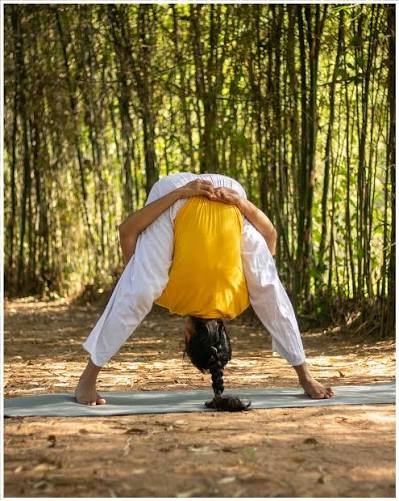
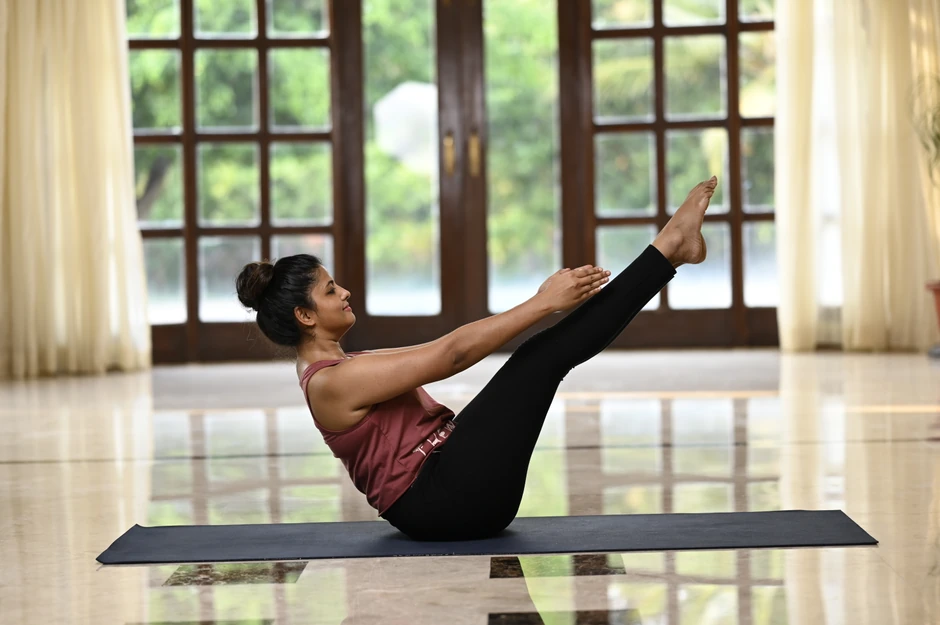
Deep twists that compress the abdomen, strong abdominal exercises, extreme backbends, unstable balancing poses, and movements that create discomfort should be approached cautiously or avoided.
As pregnancy progresses, lying flat on the back for extended periods may become uncomfortable for some women. Positions should therefore be adjusted according to individual comfort and healthcare guidance.
The Importance of Listening to the Body
One of the most important principles of prenatal yoga is learning to respond to the body’s changing needs.
A pose that felt comfortable during the first trimester may not feel appropriate later. Balance may change, flexibility may vary, and energy levels can fluctuate from day to day.
Expecting mothers should avoid comparing their practice with other people. Prenatal yoga is personal. A gentle movement performed comfortably can be more appropriate than an advanced pose performed with strain.
Using props is not a sign of weakness. Blocks, cushions, bolsters, straps, and chairs can provide additional support and make practice more accessible.
When to Stop Yoga and Seek Medical Advice
Exercise during pregnancy should always be approached with awareness. If a woman experiences concerning symptoms during or after yoga, she should stop exercising and contact her healthcare professional.
Symptoms that warrant prompt medical attention can include vaginal bleeding, significant abdominal pain, leaking of fluid, chest pain, fainting, severe dizziness, difficulty breathing that is unusual for the activity, or other symptoms that feel abnormal.
Women with certain pregnancy complications or medical conditions may need specific exercise restrictions. For this reason, personalized guidance from a qualified healthcare professional is important before beginning or continuing a prenatal yoga program.